Emergency Procedures Every Pilot Learns (and Why They Matter)
by Ray Deptula
When it comes to aviation, safety is the foundation of every successful flight. Emergency procedures are a core part of pilot training at U.S. Aviation Training Solutions (USATS). From day one, students learn how to stay calm, make sound decisions, and apply proven procedures in the cockpit. This training ensures that when unexpected situations arise, pilots are ready to act with confidence.
Here are the key emergency procedures every pilot learns and why they matter.
1. Engine Failure Procedures
Whether you are flying a Cessna 172 or a Robinson R44, knowing how to respond to an engine failure is essential. Students practice immediate actions such as pitching for best glide speed, selecting a safe landing area, and communicating with ATC.
At USATS, fixed-wing pilots drill best-glide techniques, while helicopter students master autorotation, a life-saving maneuver that allows a controlled landing without engine power.
2. Electrical and Instrument Failures
Modern aircraft rely heavily on avionics, but systems can fail. Pilots are trained to recognize electrical failures, instrument malfunctions, or avionics blackouts, and switch to backup procedures.
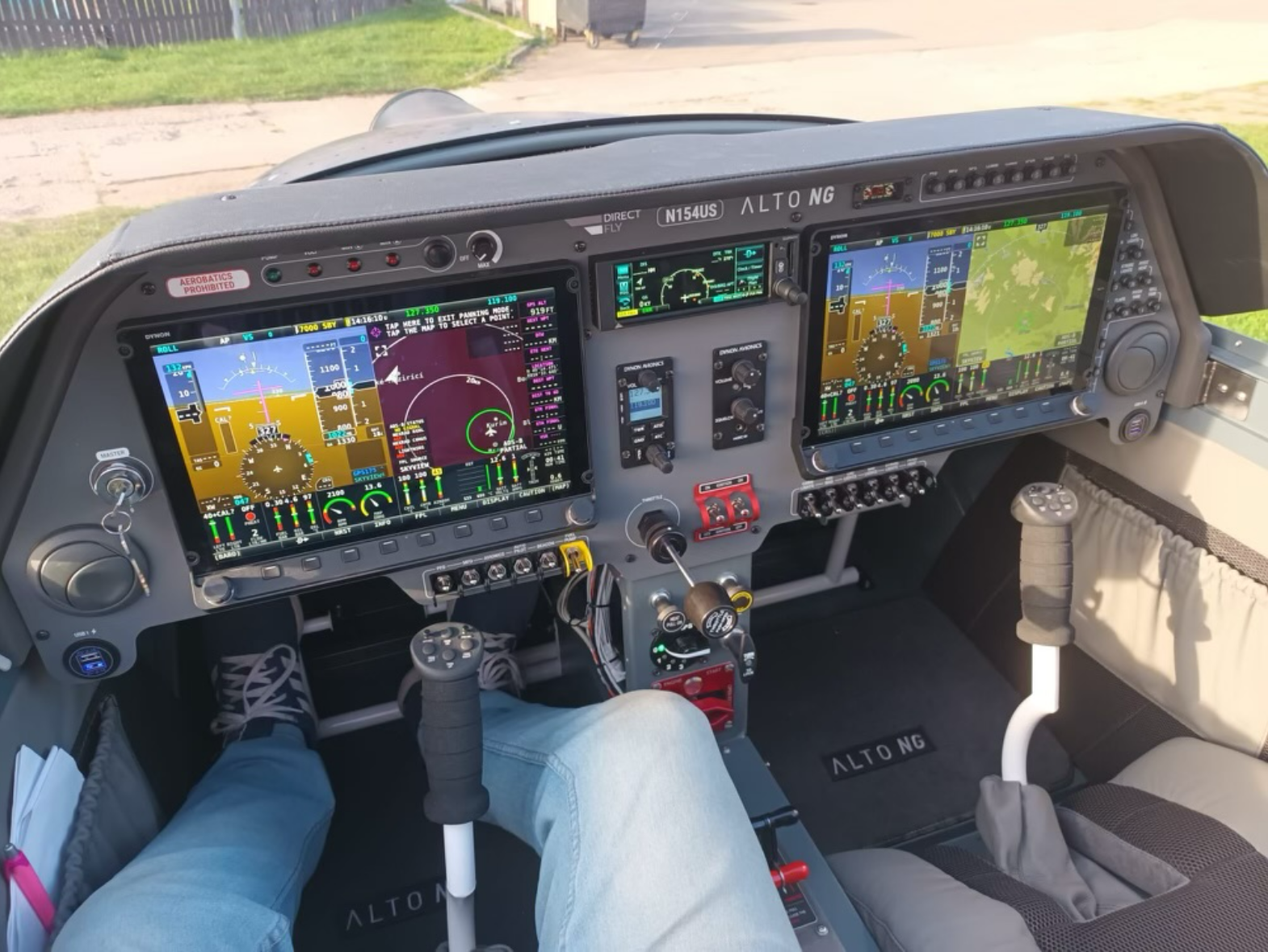
USATS incorporates glass cockpit and analog aircraft into its fleet, giving students hands-on experience with both traditional and modern systems to prepare them for real-world challenges.
3. Fire in Flight
An in-flight fire is a pilot’s worst nightmare, but training makes all the difference. Students learn to identify smoke or unusual odors, cut off fuel and electrical sources, and execute an emergency descent and landing if needed.
Through realistic simulator scenarios, USATS helps students rehearse these procedures in a safe, controlled environment.
4. Emergency Landings
From a rough field to a busy road, student pilots learn how to perform precautionary and forced landings. The training covers approach planning, flap usage, and energy management to ensure a safe touchdown.
By practicing these scenarios repeatedly, USATS students build the confidence to handle the unexpected without hesitation.
5. Loss of Communications
Radio failures are common training scenarios. Pilots are taught how to follow light gun signals from control towers, adhere to lost-comm procedures, and use backup equipment to restore communication.
USATS emphasizes this skill, especially for international students unfamiliar with U.S. ATC protocols.
6. Weather-Related Emergencies
From unexpected thunderstorms to inadvertent entry into instrument meteorological conditions, weather can quickly become a threat. Pilots are trained to divert, climb, or turn back as needed, always prioritizing safety.
With Florida’s dynamic weather, USATS students gain real-world experience in making timely and conservative decisions.
7. Passenger and Crew Safety
Beyond aircraft systems, pilots must also manage passenger health issues, spatial disorientation, and in-flight stress. Training emphasizes clear communication, checklist usage, and maintaining situational awareness.
At USATS, safety culture means preparing pilots to care for both their aircraft and their passengers.
Final Thoughts
Emergency training is not about expecting the worst; it is about being prepared for anything. By mastering these procedures, pilots gain confidence, build resilience, and ensure the highest level of safety for themselves and others.
At USATS in Titusville, Florida, safety is woven into every stage of flight training. From ground school to simulator sessions to real-world flights, students graduate knowing they can handle the unexpected with professionalism and skill.
Ready to learn in a safety-first environment? Schedule a Discovery Flight with USATS today and take the first step toward becoming a confident, capable pilot.
Frequently Asked Questions
What emergency procedures are taught at USATS flight schools?
USATS teaches engine failure response, fire in flight, electrical and instrument failures, emergency landings, loss of communications, weather-related emergencies, and passenger safety management.
How does emergency training improve pilot safety?
Emergency training helps pilots remain calm, make fast decisions, and apply correct procedures during unexpected events. This training reduces risk and increases confidence for both students and passengers.
Are emergency procedures practiced in real flights or simulators?
Both. USATS uses simulators for controlled scenario practice and real flights for hands-on experience, ensuring students are prepared for actual in-flight emergencies.
Do helicopter and airplane pilots train the same emergency procedures?
While the core principles of safety are the same, helicopter pilots also learn autorotation and other rotary-wing specific procedures, while airplane pilots focus on glide techniques and fixed-wing emergency operations.
Why is emergency training important for student pilots?
Learning emergency procedures early instills a safety-first mindset, prepares students for checkrides, and ensures they can handle real-world challenges with confidence.
Does USATS follow FAA standards for emergency training?
Yes. As a Part 141 FAA-certified flight school, USATS follows strict safety protocols and structured training programs that meet or exceed FAA requirements.