From Discovery Flight to Airline Pilot: Your Pilot Journey in 2026 Explained
by Ray Deptula
Many pilots remember their Discovery Flight as the moment everything changed. That first experience in the cockpit often turns curiosity into a clear goal, whether flying for fun or pursuing aviation as a career.
But once that first flight is over, many aspiring pilots ask the same question: What comes next? Below is a clear, step-by-step overview of the pilot training journey, from your first lesson to flying professionally for an airline.
Step 1: Discovery Flight
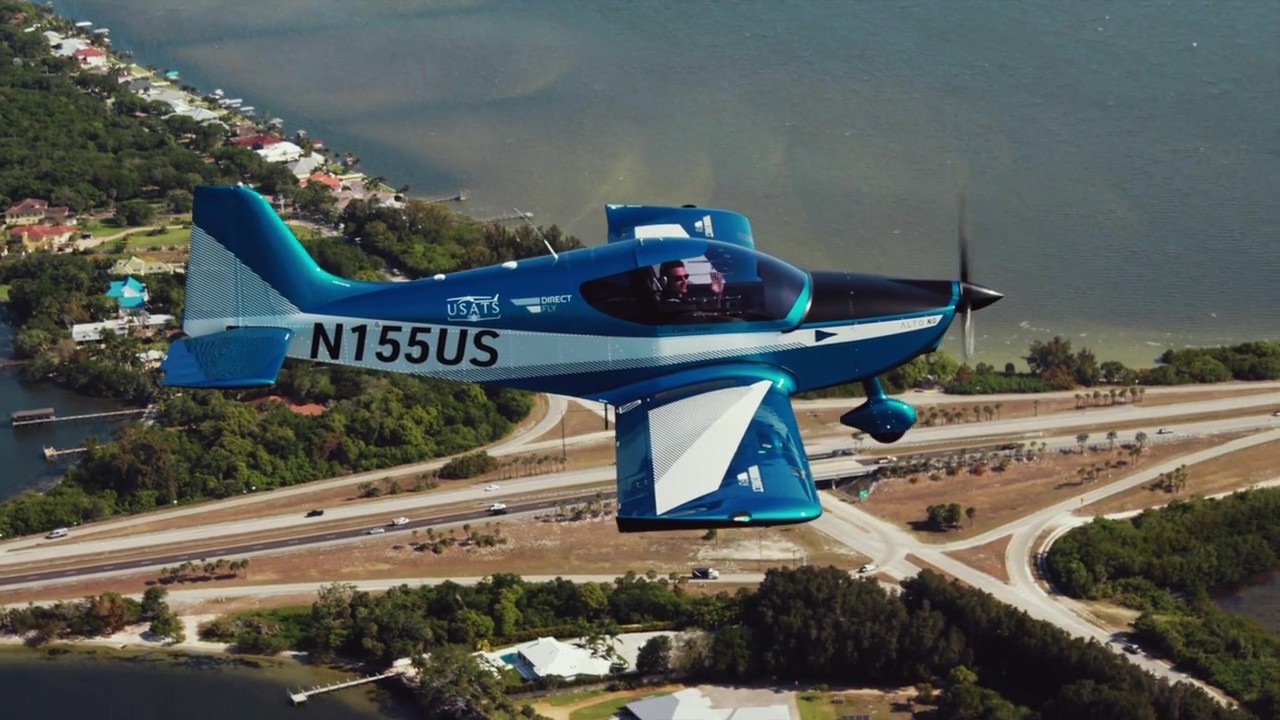
Your journey begins with an introduction to flying in a real aircraft. A Discovery Flight with USATS places you in the cockpit with a certified flight instructor, allowing you to take the controls and experience what pilot training is really like.
Beyond the excitement, a Discovery Flight serves a practical purpose. It helps you understand how flight lessons work, what training environments feel like, and whether aviation fits your goals and lifestyle. For many students, it confirms that pursuing a pilot certificate is the right next step.
Step 2: Private Pilot License (PPL)
Once you decide to move forward, earning your Private Pilot License becomes your foundation. During PPL training, you’ll learn aircraft control, navigation, weather awareness, airspace rules, and essential safety procedures.
At USATS, students train in modern, well-maintained aircraft under a structured syllabus designed to build confidence and skill progressively. This phase focuses not only on passing a checkride, but on becoming a safe, capable pilot who understands decision-making and risk management.
Step 3: Instrument Rating (IR)
The Instrument Rating takes your flying skills to the next level. You’ll learn how to fly using cockpit instruments rather than visual references, allowing you to operate safely in low visibility and complex weather conditions.
For professional pilots, the Instrument Rating is a critical milestone. It improves precision, situational awareness, and workload management, while opening the door to more advanced aircraft and career opportunities. Many students also find this phase builds strong confidence and discipline in the cockpit.
Step 4: Commercial Pilot License (CPL)
Earning your Commercial Pilot License allows you to fly for compensation. Training at this stage focuses on advanced maneuvers, aircraft performance, and professional-level standards.
USATS Flight Training Programs follow a structured, FAA Part 141-certified curriculum that emphasizes consistency and efficiency. This ensures graduates meet industry expectations while preparing for the demands of professional aviation environments.
Step 5: Build Flight Hours
After receiving your Commercial Pilot License, the next objective is building flight experience. Most pilots accumulate hours by becoming flight instructors, flying charter or aerial survey, or participating in structured time-building programs.
This phase is where skills mature rapidly. Flying frequently, managing diverse scenarios, and working with other pilots strengthens judgment and confidence. USATS helps students identify time-building paths that align with long-term career goals.
Step 6: Airline Career Opportunities
Once you meet the required flight hour thresholds, airline and charter opportunities become available. Regional airlines, cargo operators, and corporate flight departments all seek pilots with strong fundamentals and structured training backgrounds.
USATS supports graduates beyond training by offering career guidance and industry insight. With the right preparation and consistency, students transition from training aircraft to airline cockpits with a clear understanding of expectations and next steps.
Final Thoughts
From your first Discovery Flight to flying professionally, the pilot career path is structured, achievable, and rewarding with the right training partner. Each phase builds on the last, turning passion into skill and opportunity.
At USATS, students receive more than flight hours. They gain mentorship, structure, and a supportive training environment designed to guide them from their first takeoff to a professional aviation career.