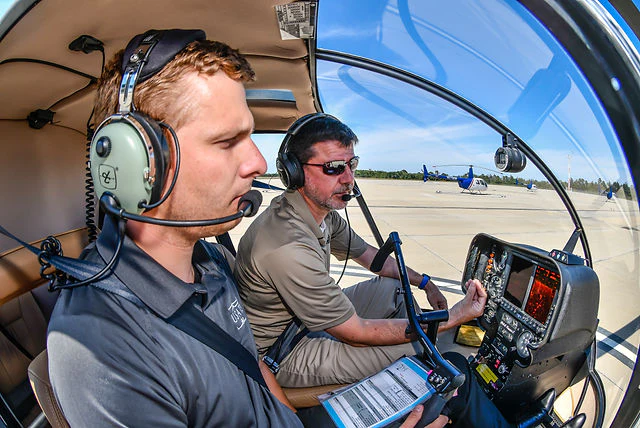
How Fast Can You Become a Pilot in 2026? Accelerated Flight Training Explained
by Ray Deptula
Becoming a pilot is a dream for many, but one of the most common questions aspiring aviators ask is simple:
How fast can I actually become a pilot?
In 2026, the answer depends on several factors, including your schedule, the type of training program you choose, and the flight school you attend. While some students take years to complete their training, others are able to go from zero experience to a professional pilot in a matter of months.
At USATS, students benefit from structured training, consistent scheduling, and ideal flying conditions in Florida, allowing them to complete their training significantly faster than the national average.
In this guide, we’ll break down realistic pilot training timelines, explain what “accelerated training” actually means, and show you how to move through your training as efficiently as possible.
What Does “Accelerated Flight Training” Mean?
Accelerated flight training is a focused, full-time approach to becoming a pilot as quickly as possible.
Instead of flying occasionally over months or years, students in accelerated programs:
- Train multiple times per week (often daily)
- Follow a structured curriculum
- Minimize gaps between lessons
- Progress continuously without restarting skills
At Flight Training Programs, this structured approach is designed to help students stay consistent and avoid delays.
How Long Does It Take to Become a Pilot?
The timeline depends on your end goal. Here’s a realistic breakdown for 2026:
Private Pilot License (PPL)
- Average: 2 to 6 months
- Accelerated: as little as 6 to 8 weeks
Start here:
This is your foundation. You’ll learn basic flight maneuvers, navigation, and safety procedures.
Instrument Rating (IR)
-
Average: 2 to 4 months
-
Accelerated: 4 to 8 weeks
This rating allows you to fly in low visibility conditions and is essential for professional pilots.
Commercial Pilot License (CPL)
-
Average: 3 to 6 months
-
Accelerated: 2 to 4 months
This is where you transition from recreational flying to a professional career.
Certified Flight Instructor (CFI)
-
Average: 2 to 4 months
-
Accelerated: 1 to 2 months
Many pilots become instructors to build flight hours quickly.
Total Timeline: Zero to Commercial Pilot
Traditional Path
- 12 to 24 months
Accelerated Path
- 6 to 10 months
With a structured program like the:
students can move through all certifications efficiently without unnecessary delays.
Why Some Students Take Longer
Not all training timelines are equal. Many students experience delays due to:
Inconsistent Scheduling
Flying once every week or two slows progress significantly. Skills fade between lessons, requiring review time.
Weather Limitations
In some regions, poor weather can delay training for weeks at a time.
Aircraft Availability
Busy schools with limited aircraft create scheduling bottlenecks.
Instructor Availability
High student-to-instructor ratios can slow your progress.
For students located in surrounding communities such as:
- Deltona Flight Training
- Debary Flight Training
- Edgewater Flight Training
- New Smyrna Beach Flight Training
choosing a school with consistent aircraft and instructor availability like USATS can make a significant difference in avoiding delays.
Why Florida Is Ideal for Fast Training
Location plays a huge role in how fast you complete your training.
Year-Round Flying Weather
Florida offers 300+ flyable days per year, allowing consistent training without long weather delays.
Diverse Airspace
Training near busy and controlled airspace prepares you for real-world flying faster.
Efficient Scheduling
At USATS, students can train consistently without long gaps.
Learn more about the environment here:
Flight Training Near You in Central Florida
One of the biggest advantages of training with USATS is its central location on Florida’s Space Coast, making it easily accessible for students across the region.
Students regularly come from nearby areas such as:
Because these areas are just minutes from the training facility, students can maintain consistent flight schedules, which is critical for accelerated training.
Additionally, students from larger nearby cities like:
choose USATS for its combination of less congested airspace and faster scheduling availability, allowing them to progress more efficiently than at busier urban airports.
What Makes Training at USATS Faster?
Not all flight schools are designed for speed. USATS focuses on efficiency without sacrificing quality.
Structured Training (Part 141)
Structured programs reduce unnecessary flight hours and keep students on track.
Fast Checkride Scheduling
One of the biggest delays in aviation training is waiting for checkrides.
USATS often schedules checkrides in:
- Less than a month
- Sometimes even within a week
Modern, Efficient Aircraft
Students train in:
- Cessna 172 (G1000 glass cockpit)
- Alto NG (lower operating cost, advanced avionics)
These aircraft improve learning speed and reduce costs.
Personalized Instruction
With a focus on quality of instruction and personal relationships, students receive the guidance they need to progress quickly.
Meet the instructors:
Convenient Access from Across Central Florida
USATS attracts students from across Central Florida who are looking for a faster, more efficient training experience.
Many students commute from areas like:
These students benefit from USATS’ structured scheduling and ability to fly more frequently, which significantly reduces overall training time.
Accelerated vs Traditional Training: Key Differences
Accelerated Training
- Full-time commitment
- Faster completion
- Lower total cost (less repetition)
- Higher retention of skills
Traditional Training
- Part-time schedule
- Longer timelines
- More skill regression between lessons
- Potentially higher total cost
Can You Really Become a Pilot in Under a Year?
Yes, but only under the right conditions.
To complete your training in under a year, you need:
- A full-time commitment
- A structured program
- Consistent flying schedule
- A school with strong availability
Programs like:
are specifically designed to support this kind of timeline.
How to Speed Up Your Pilot Training
If your goal is to finish as quickly as possible, here are key strategies:
Train Consistently
Aim to fly multiple times per week.
Study Ahead
Ground knowledge can become a bottleneck if you’re not prepared.
Avoid Long Breaks
Even short gaps can slow your progress.
Choose the Right School
A well-organized school makes a huge difference in your timeline.
Start with a Discovery Flight
If you’re just getting started, the best first step is to experience flying for yourself.
This allows you to:
- Sit in the cockpit
- Fly with an instructor
- Understand the training environment
Airplane vs Helicopter Timeline
Airplane Training
Typically faster and more cost-efficient.
Explore:
Helicopter Training
- Often more expensive
- Slightly different timeline
- Specialized career paths
Explore:
Financing Your Training
Accelerated training requires commitment, but financing options can help.
USATS partners with providers to make training more accessible.
Is Accelerated Training Right for You?
Accelerated training is ideal if you:
- Want to become a pilot quickly
- Can commit full-time
- Are focused on a professional career
It may not be ideal if you:
- Need a flexible schedule
- Can only train occasionally
Serving Students Across the Space Coast and Beyond
USATS also serves students from smaller surrounding communities, including:
- Mims Flight Training
- Sharpes Flight Training
- Canaveral Groves Flight Training
- Cape Canaveral Flight Training
- Oak Hill Flight Training
- Geneva Flight Training
- Chuluota Flight Training
- Christmas Flight Training
- Clermont Flight Training
- Mount Dora Flight Training
No matter where you’re located in Central Florida, access to consistent, high-quality training is what ultimately determines how fast you progress.
Final Thoughts
Becoming a pilot in 2026 is more accessible and efficient than ever before. With the right training environment, it’s entirely possible to go from zero experience to a professional pilot in less than a year.
The key is choosing a flight school that prioritizes structure, consistency, and student success.
At USATS, students benefit from:
- Fast checkride scheduling
- Modern aircraft
- Experienced instructors
- Ideal Florida flying conditions
All of these factors combine to create one of the most efficient training environments available.
Ready to Start Your Training?
Take the next step toward your aviation career:
Your journey to becoming a pilot can start today.