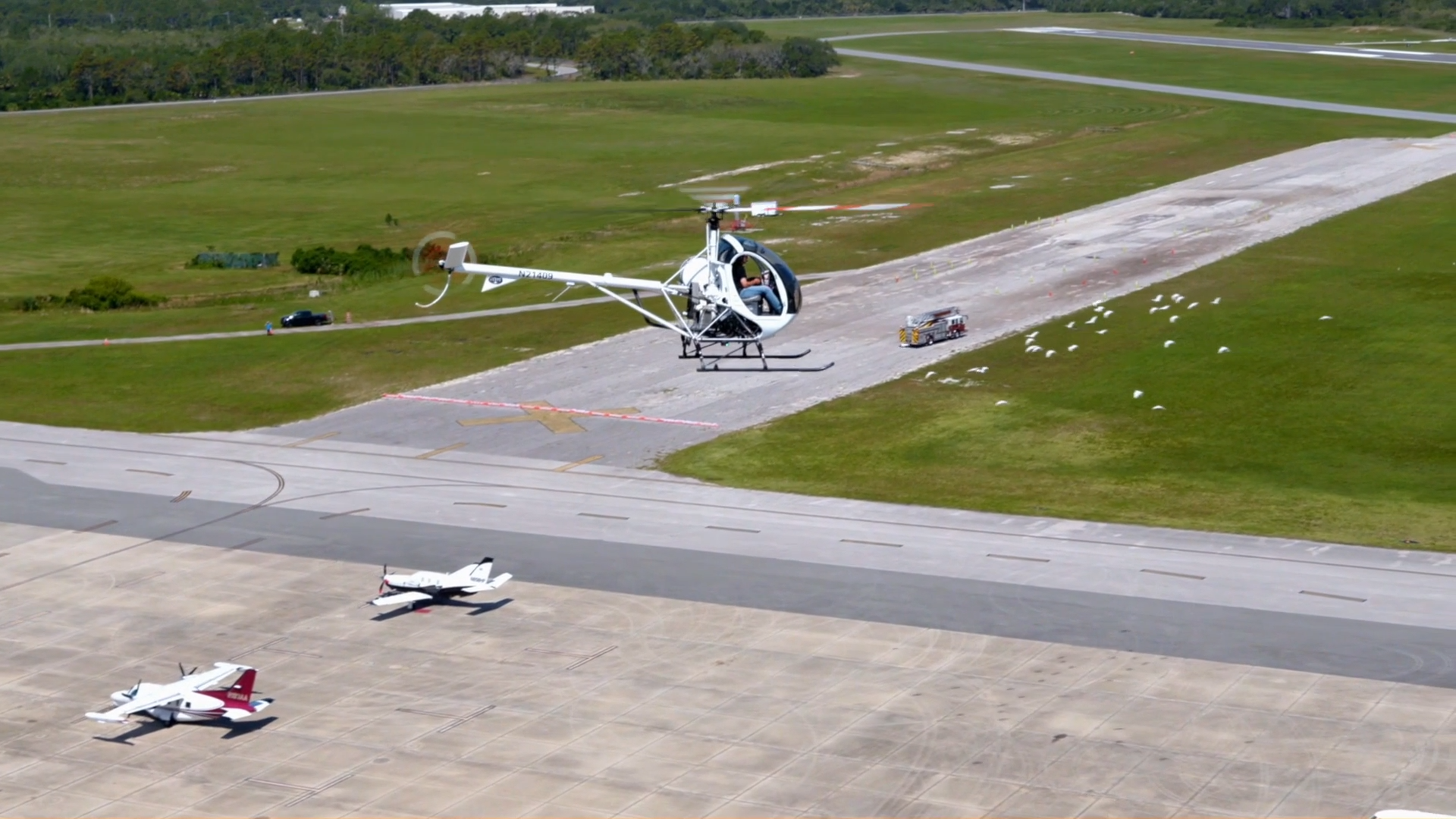
International Student Guide: How to Get Your FAA Pilot License
by Ray Deptula
The United States remains one of the top destinations in the world for professional pilot training, attracting students from every continent. With highly structured FAA programs, modern aircraft, and globally respected certifications, training in the U.S. offers a clear pathway to an aviation career.
For international students, however, the process can seem complex at first. Between visa applications, TSA approvals, and choosing the right flight school, it’s important to understand each step before you begin.
At USATS, international students have been successfully trained since 1987. With decades of experience, a strong support system, and a focus on high-quality instruction, USATS simplifies the process and helps students move from application to cockpit as efficiently as possible.
This guide will walk you through exactly how to get your FAA pilot license as an international student, step by step.
Why Train in the United States?
Before diving into the process, it’s important to understand why so many international students choose the U.S. for flight training.
Global Recognition
FAA licenses are considered the gold standard in aviation. Whether you plan to work in your home country or internationally, an FAA certification gives you strong credibility and flexibility.
Structured Training Programs
FAA Part 141 schools provide organized, syllabus-based training that helps students progress efficiently. This is especially valuable for international students who want a clear and predictable path.
Explore Flight Training Programs to see the full training structure.
Advanced Aircraft and Technology
Training in the U.S. means access to modern aircraft with glass cockpit systems, real-world procedures, and high standards of maintenance.
You can learn more about the fleet here: Our Fleet
Ideal Flying Conditions
Florida, in particular, offers year-round flying weather, which allows students to train consistently and complete programs faster.
Step 1: Choose the Right Flight School
The first and most important step is selecting a flight school that is authorized to train international students.
Why Part 141 Matters
International students should prioritize FAA Part 141 flight schools, because:
- They follow a structured, FAA-approved curriculum
- They are authorized to issue I-20 forms for visa applications
- They often allow faster completion compared to Part 61
At USATS Flight Training Programs, students benefit from both Part 141 and Part 61 flexibility depending on their goals.
What to Look For
When evaluating schools, consider:
- Experience with international students
- Visa and TSA support services
- Fleet quality and maintenance standards
- Instructor experience
- Training timeline and availability
You can also explore Why Become a Pilot? if you’re still early in your decision process.
Step 2: Apply and Receive Your I-20 Form
Once you choose a school and are accepted, the next step is receiving your I-20 form, which is required for your visa application.
What Is the I-20?
The I-20 is an official document issued by the flight school that:
- Confirms your acceptance
- Verifies your program
- Allows you to apply for an M1 student visa
USATS assists students throughout this process to ensure all documents are completed correctly.
Requirements Typically Include
- Valid passport
- Proof of financial ability
- Completed application forms
- Educational background
For more details, visit International Student Training
Step 3: Apply for Your M1 Visa
After receiving your I-20, you can apply for your M1 visa at your nearest U.S. embassy or consulate.
Key Steps
- Pay the SEVIS fee
- Complete the DS-160 application
- Schedule your visa interview
- Attend the interview with all required documents
Tips for Success
- Be clear about your training goals
- Show strong ties to your home country
- Demonstrate financial readiness
- Be prepared to explain your career path
USATS provides guidance to help students prepare for the visa interview and improve approval chances.
Step 4: Complete TSA Approval
Before starting flight training, international students must receive clearance from the Transportation Security Administration (TSA).
What the TSA Process Includes
- Online application
- Identity verification
- Fingerprinting
- Background check
You can complete this step through TSA Fingerprinting Services
Why This Step Matters
TSA approval ensures that all students meet U.S. security requirements before accessing flight training.
USATS helps streamline this process to avoid delays.
Step 5: Arrive and Begin Ground School
Once your visa and TSA approval are complete, you can travel to the U.S. and begin your training.
Ground School First
Training typically starts with ground school, where you’ll learn:
- Aerodynamics
- FAA regulations
- Navigation
- Weather systems
- Aircraft systems
This foundation prepares you for both flight training and written exams.
Step 6: Start Flight Training
After ground school, you’ll begin hands-on flight training with a certified instructor.
Your First Milestone: Private Pilot License
Most students begin with the:
This stage teaches:
- Basic flight maneuvers
- Takeoffs and landings
- Navigation
- Emergency procedures
If you’re unsure whether flying is right for you, you can start with a Discovery Flight
Step 7: Progress Through Advanced Ratings
After earning your PPL, you can continue your training toward a professional career.
Typical Path
- Instrument Rating
- Commercial Pilot License
- Certified Flight Instructor (CFI)
- CFII (Instrument Instructor)
Or follow a structured path like the:
Helicopter Training Path
Students pursuing rotorcraft careers can follow similar steps through:
Step 8: Optional Foreign License Conversion
If you already hold a pilot license from another country, you may not need to start from zero.
Conversion Options
USATS offers support through:
This allows you to:
- Validate your existing license
- Transition to FAA standards
- Continue advanced training
Step 9: Life as an International Student in Florida
Training is not just about flying. Your environment plays a big role in your success.
Why Titusville, Florida?
- Close to major airports and controlled airspace
- Less congestion than large cities
- Year-round flying conditions
- Proximity to Orlando and the Space Coast
Explore Local Attractions to see what the area offers.
Student Experience
At USATS, students benefit from:
- Small class sizes
- Personalized instruction
- Strong student-instructor relationships
- Support with logistics and integration
Step 10: Financing Your Training
Flight training is an investment, but there are financing options available.
Available Options
USATS works with:
- Financing Partners
- Flexible payment solutions
- International funding options
Planning your finances ahead of time helps ensure uninterrupted training.
Step 11: Career Opportunities After Graduation
An FAA license opens doors worldwide.
Career Paths
Graduates can pursue:
- Airline careers
- Charter operations
- Corporate aviation
- Flight instruction
- International aviation roles
Competitive Advantage
Training in the U.S. gives you:
- Strong technical foundation
- English-language proficiency
- Experience with advanced avionics
- Globally recognized credentials
Common Challenges and How to Overcome Them
Visa Delays
Apply early and ensure all documentation is complete.
TSA Processing Time
Submit your application as soon as possible after acceptance.
Adapting to a New Country
Choose a school that offers strong support and community integration.
Why Choose USATS?
USATS stands out because of its focus on:
Quality of Instruction
Experienced instructors with real-world aviation backgrounds.
Personal Relationships
Small student groups ensure individualized attention.
Modern Fleet
- Cessna 172 with G1000
- Fully instrument-equipped aircraft
Fast Checkride Scheduling
Students often complete checkrides in less than a month, sometimes even faster.
Global Experience
Serving students from around the world with tailored support.
Learn more about the team here: Our Team
Final Thoughts
Becoming a pilot as an international student may seem complex, but with the right guidance and training environment, the process is straightforward and rewarding.
From choosing a flight school to earning your FAA license, each step builds toward a globally recognized aviation career.
With decades of experience, a structured training approach, and a commitment to student success, USATS provides everything you need to succeed.
Ready to Start Your Journey?
Take the first step toward your aviation career today:
Your future in aviation starts here.