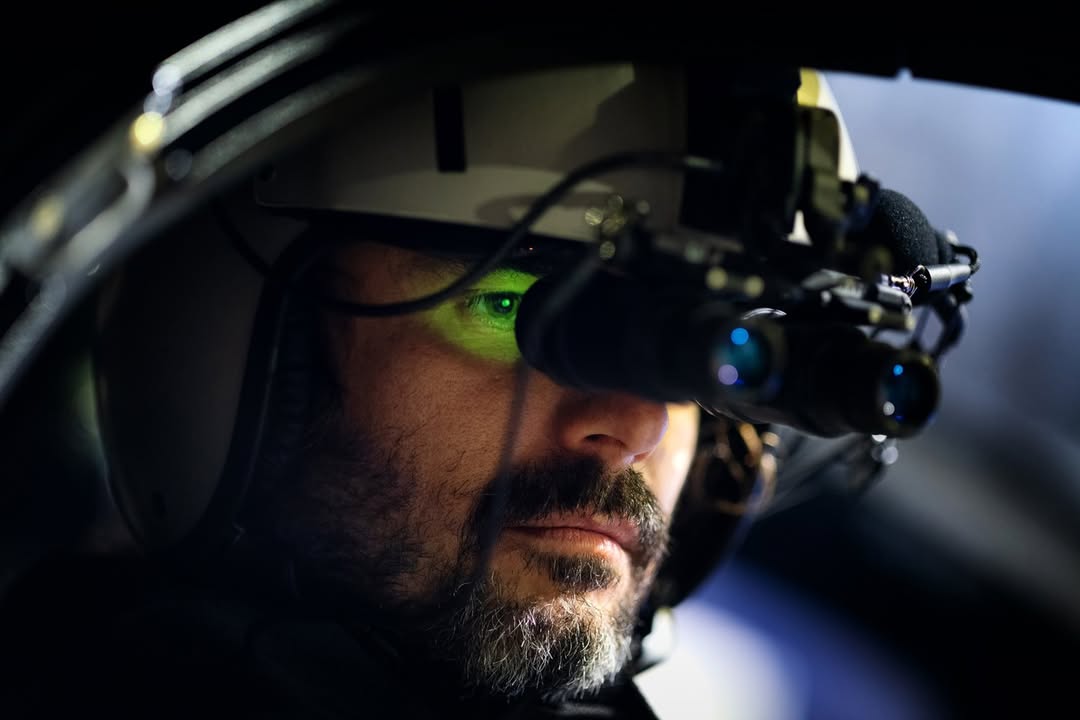
Mastering the Skies: Night Flying for Upskilling as a Pilot
by Ray Deptula
The Challenges and Rewards
Flying after sundown adds an unforgettable dimension to your pilot journey transforming familiar skies into a landscape of glowing beacons, shifting perspectives, and new challenges. Whether you’re a student pilot or an experienced aviator, mastering night flying sharpens your skills, boosts your confidence, and unlocks a host of exciting possibilities.
Why Night Flying Matters
-
Skill Enhancement: Maneuvering in low-light conditions heightens your reliance on instruments and radio navigation—critical abilities for all-weather competency.
-
Expanded Opportunities: Night ratings open doors to more flexible scheduling, ferry flights, and specialized careers (e.g., EMS, aerial surveying) where after-dark operations are common.
-
Unique Perspective: The world below transforms into a tapestry of city lights, runway signals, and natural horizons, offering an exhilarating sensory experience.
Key Challenges to Prepare For
-
Reduced Visual References: Without daylight landmarks, pilots must depend on cockpit instruments, GPS, and radio aids. Anticipate spatial disorientation—practice unusual attitude recovery in the simulator.
-
Depth Perception & Terrain Awareness: Shadows obscure relief, making judging altitude over unlit terrain tricky. Continuous altitude cross-checks and approach briefings are essential.
-
Night Vision Limitations: Your eyes adapt slowly to darkness; bright lights in the cockpit can temporarily blind you. Use red cockpit lighting, dim overhead lights, and avoid staring at bright sources for extended periods.
-
Fatigue Factors: Flying at night often means operating outside your circadian peak. Prioritize rest, stay hydrated, and plan flights to avoid long stretches without breaks.
Essential Night-Flying Equipment
-
Instrument Check: Ensure all flight instruments are serviceable—altimeter, attitude indicator, airspeed indicator, heading indicator, and turn coordinator.
-
Lighting:
-
External: Landing, taxi, navigation, and strobe lights must be operational. Check for cracked lenses or burnt-out bulbs.
-
Internal: Adjustable panel brightness, red-filtered map lights, and a handheld backup flashlight with fresh batteries are crucial.
-
-
Navigation Aids: Reliable GPS, VOR receiver, and up-to-date charts—especially for night-specific procedures like night VFR routes and departure minima.
-
Emergency Gear: Portable ELT (if not built-in), signal mirror, and an extra flashlight.
Safety Tips for Night Operations
-
Plan Around Weather & Moon Phase: Less moonlight = darker skies. Check cloud ceilings, visibility, and ambient light for safe terrain clearance.
-
Conduct Thorough Preflight Inspections: Look for cracked lenses, inoperative lights, or missing reflectors—harder to spot issues in the dark.
-
Use a Night-Specific Preflight Checklist: Include verifying landing and taxi light functions, panel light dimming, and strobe synchronization.
-
Fly with a Safety Pilot: Having an extra pair of eyes reduces workload and provides support in emergencies.
-
Maintain Clear Communication: Night flights often traverse busy airspace—stay on frequency and report position vigilantly.
Making the Most of Your Night Training
- Simulator Practice: Begin in a flight simulator or FAA-approved training device to build confidence instrument scanning.
-Progressive Exposure: Start with twilight flights, then early evening, and finally deeper night conditions as your comfort grows.
-Mentorship: Pair up with an experienced night-rated instructor—learn their best practices, from scan techniques to go/no-go decision-making.
Why Choose US ATS Flight Training for Your Night Flying Journey?
Embarking on night flying isn’t just about adding a rating to your license, it’s a transformative step that deepens your aeronautical knowledge and expands your horizons. Ready to illuminate your aviation path?
Join US ATS Flight Training Today! Contact us today to schedule your first night lesson and discover how our expert CFIs guide you safely from dusk to dawn. Or have a look at our programs here to find the perfect fit for your aviation goals.
✈️ Get in touch now at US ATS Flight Training and light up your flight journey!