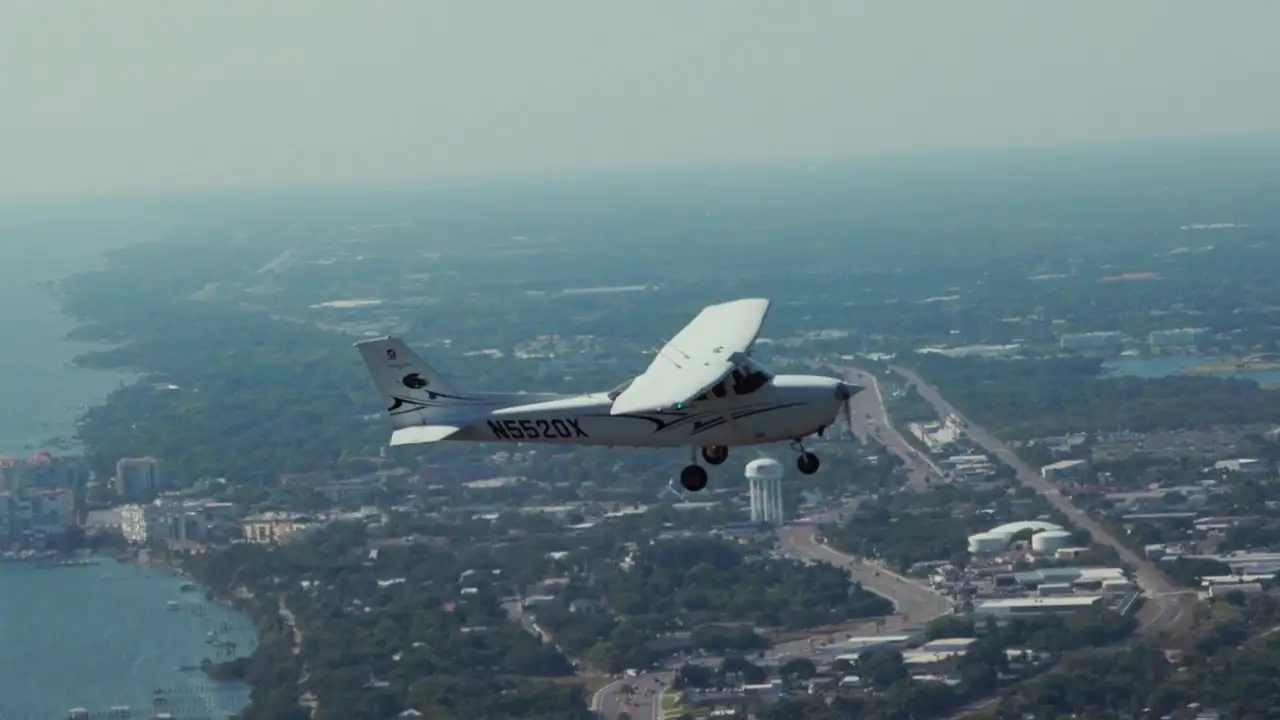
How to Pay for Flight School in 2026: A Step-by-Step Funding Plan
by Ray Deptula
You just climbed out of the training airplane after your discovery flight at Space Coast Regional Airport. Your instructor is walking you back to the office, and you already know you want to keep going. Then the practical question lands: how do you actually pay for flight school?
The short answer is that you pay for it in stages, with a plan. Before you apply for anything, you choose your goal, get a quote built around that goal, get your FAA medical, pick the payment sources that fit, and line up the money for each rating before that rating starts. Skip the plan and you can end up with a loan sized for the wrong program, or with training that stops halfway because the money ran out.
At U.S. Aviation Training Solutions (USATS), our admissions team helps students sort this out before their first lesson. Here is the step-by-step funding plan we recommend, whether you want to fly airplanes or helicopters, and whether you are paying for one certificate or a full career path.
Step 1: Decide what you are paying for before you ask how
Your goal sets your budget. Someone who wants to fly on weekends needs a Private Pilot certificate. Someone who wants to fly for a living needs a longer ladder: Private, Instrument, Commercial, and usually the instructor certificates (CFI and CFII), because teaching is a common first flying job.
At USATS you can buy each certificate on its own or train through a Professional Pilot Program that takes a zero-time student from Private through CFII. The two paths call for different funding conversations, so pick the target first. If you are unsure which certificates your goal requires, our guide on which helicopter license you need for your goal and our guide to becoming a professional pilot lay out the ladder.
| Your goal | Where to start | What to fund |
|---|---|---|
| Fly for fun in an airplane | Private Pilot License (Airplane) | One certificate |
| Fly for fun in a helicopter | Private Pilot License (Helicopter) | One certificate |
| Fly airplanes for a living | Professional Pilot Program (Airplane) | Private through CFII |
| Fly helicopters for a living | Professional Pilot Program (Helicopter) | Private through CFII |
A discovery flight is a simple way to confirm the goal before you spend serious money. If you have not flown yet, book a discovery flight and fly the aircraft you are thinking about paying for.
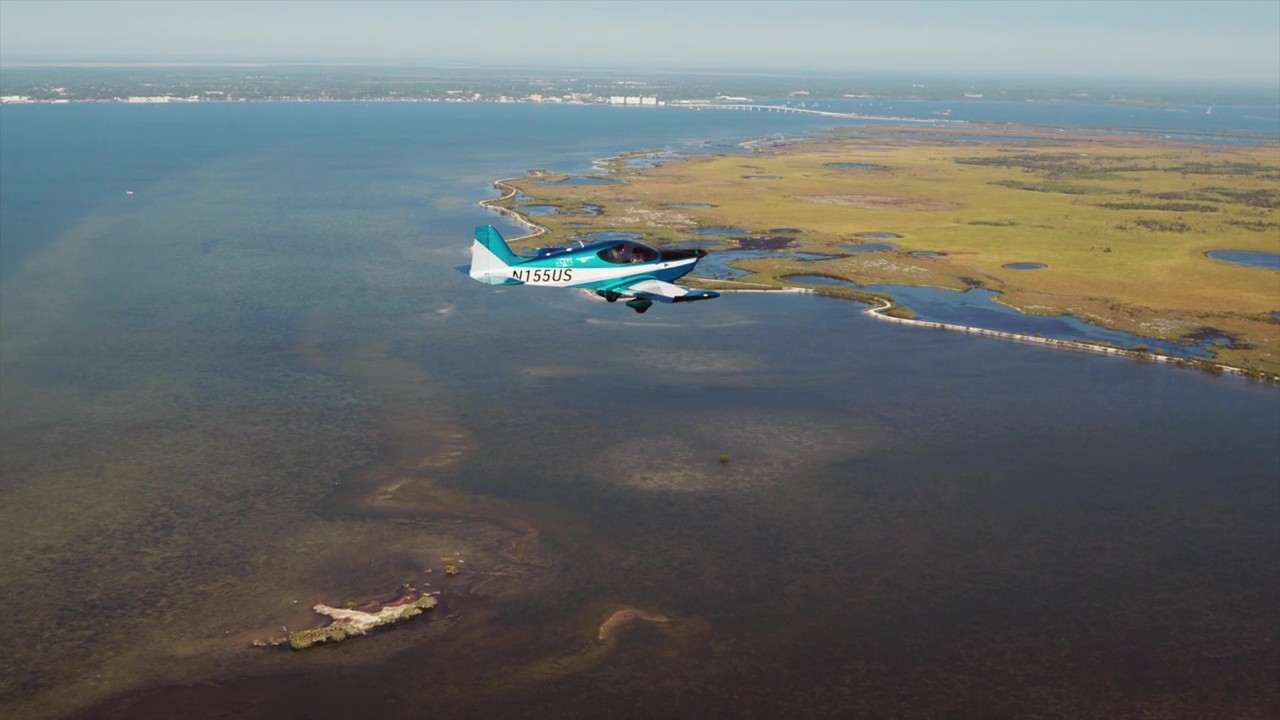
Step 2: Get a personalized quote and learn what it covers
We do not publish program prices, because the right number depends on your goal, the aircraft, and any hours you already have. Instead, our admissions team builds a personalized quote for you. Every other step depends on that quote. A lender will want to know what you are borrowing for, and you need to know how much cash to set aside.
When you read a quote, look for the parts that make up any flight training bill:
- Aircraft time, usually the largest part
- Instructor time, in the air and on the ground
- Ground school and study guides
- Testing and examiner fees for written tests and checkrides
- Personal gear and living costs, if you relocate
Some costs sit outside our programs. Our training programs do not include flight gear such as a headset and kneeboard, teaching books and the POH/RFM, an iPad with an EFB app (we recommend ForeFlight), the FAA medical exam, or FAA written test and checkride fees. Put those on your list now so they do not surprise you later.
FAA minimum hours are a floor. For example, the FAA sets 40 hours as the minimum flight time for a private pilot certificate under Part 61, for both airplanes and helicopters. Your real hours depend on how often you fly and how quickly the skills click, so leave room in your plan. You can read how the FAA frames these numbers on its hourly requirements page.
Step 3: Get your FAA medical before you commit money
Get your medical early. You need an FAA medical certificate before you can fly solo, and the class you need depends on the certificate you are after. The exam is done by an Aviation Medical Examiner (AME), a doctor the FAA has authorized to issue medicals. You can find one through the FAA medical certification page.
Why does this belong in a funding plan? Because you do not want to take on a loan for training you are not yet cleared to complete. Paying for the exam first is a small step that protects the big decision. Our post on preparing for your first FAA medical exam explains what to bring and what to expect.
Step 4: Match each cost to the right payment source
With a quote and a medical in hand, you can decide how each part of the bill gets paid. At USATS we accept cash, credit cards (Visa, Mastercard, American Express and Discover), checks, and financing through our three lending partners.
| Payment option | How it fits a funding plan |
|---|---|
| Cash or savings | Covers costs outside the program, such as the medical, gear and testing fees, and can reduce how much you finance |
| Credit card (Visa, Mastercard, American Express, Discover) | Convenient for smaller items and individual charges |
| Check | A simple way to pay from your bank account |
| Financing through Stratus Financial, AOPA Finance or We Florida Financial | Built for flight training, for students who want to spread the cost of a certificate or a full program over time |
Your funding plan can draw on more than one source. For example, you might use savings for the items outside the program and finance the training itself. Talk with our admissions team about how payments line up with your training so you know what is due and when. You can see all three partners on our flight school loans page.
Step 5: Pre-qualify with a lender before your start date
Apply once you know the number. Applying for a flight training loan before you have a quote is guesswork. Applying after you have already started risks a pause while you wait for an answer. The best window is after admissions gives you a quote and before your first scheduled lesson.
We work with three financing partners, each with its own loan products and application process:
- Stratus Financial, which you can apply to directly through our Stratus application link
- AOPA Finance, which offers a loan built for flight training
- We Florida Financial, which offers a flight training loan program
Each lender sets its own terms and makes its own approval decision, so compare their current offers on our financing page and with the lenders themselves. Financing is available to applicants who qualify with the lender. Have your quote, your program choice and your planned start date ready when you apply, because those are the details that tie the loan to your training.
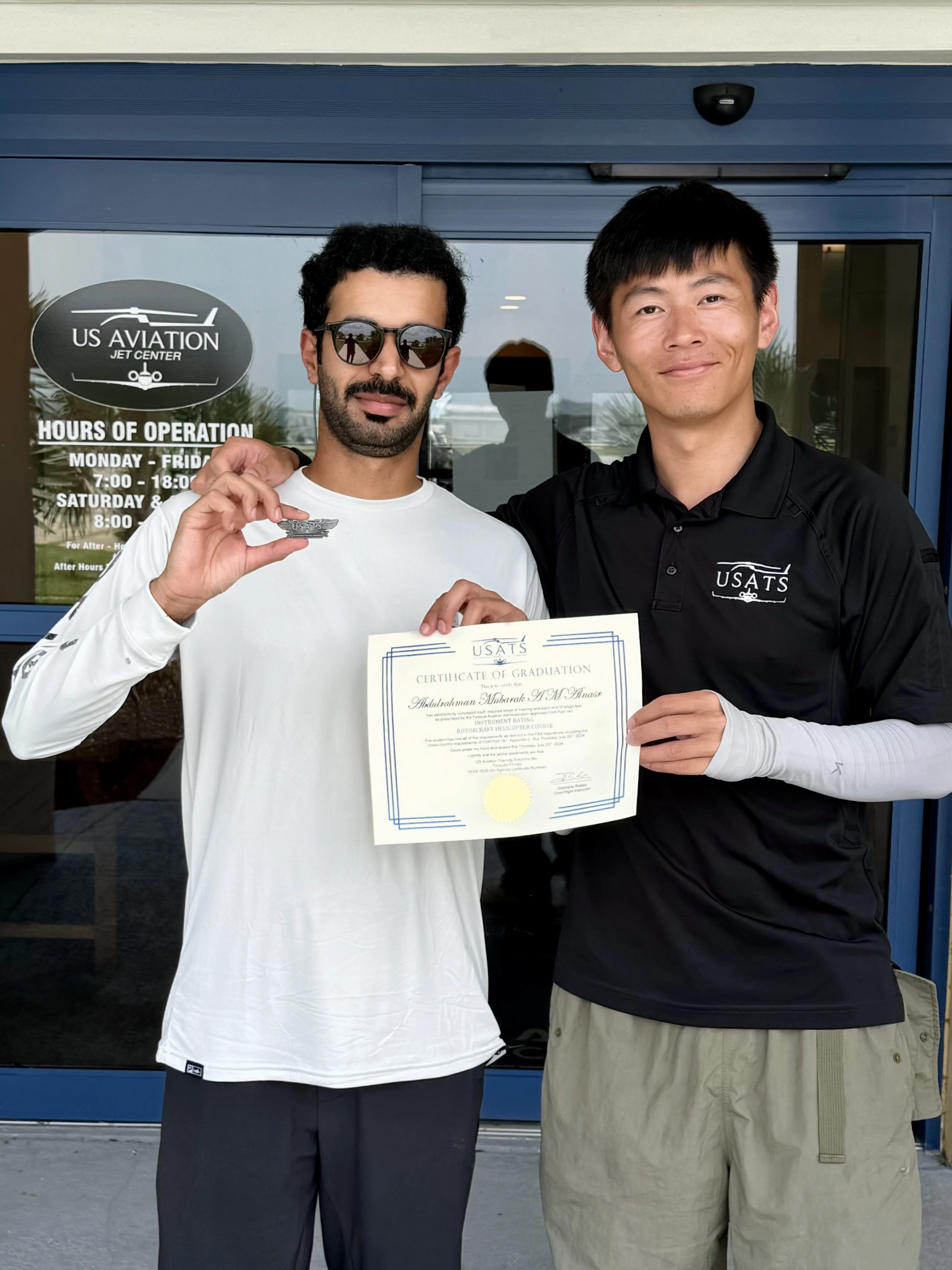
Step 6: Time the money so training never stalls between ratings
It is easy to plan only for the first certificate. Consistency is the biggest factor in managing training costs. When you fly often, each lesson builds on the last. When training stops for a few months, some of your next lessons go to getting back to where you left off.
Picture a student who passes the private checkride, celebrates, and then waits for money before starting the instrument rating. By the time funding arrives, the radio calls and the scan are rusty, and the first instrument lessons go partly to review. The fix is to plan the money for each rating before the previous one ends.
If you are on a career track, map the whole ladder with admissions before your first lesson: Instrument Rating, Commercial, CFI and CFII on the helicopter side, or the matching airplane programs. Then decide which source covers which stage. Our post on how long it takes to become a pilot shows why training days per week drive both the calendar and the bill.
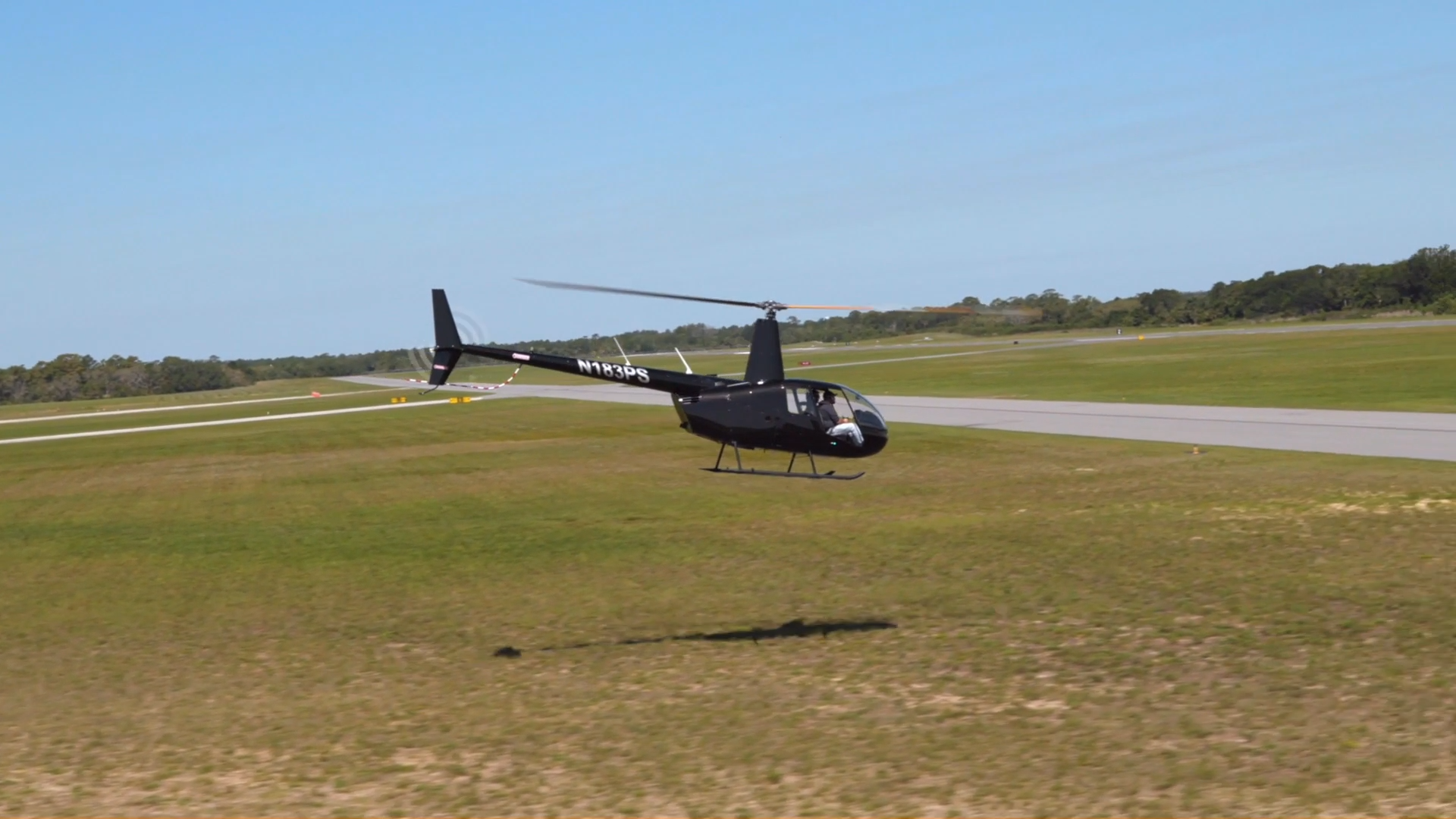
Step 7: Keep a buffer and review the plan at every milestone
Build a cushion into the plan. Extra hours, a retest, or a gear upgrade can all show up along the way. A buffer in savings, or room in your financing, keeps one surprise from stopping your training.
Review the plan each time you finish a certificate. Your logbook, your pace and your goal may have changed, and a fresh quote for the next rating keeps your budget honest. Our admissions team can update your plan at each milestone so you always know what the next stage needs.
Frequently Asked Questions
How much does flight school cost in 2026?
It depends on your goal, the aircraft, and the hours you already have, which is why we build a personalized quote instead of publishing one price. Contact our admissions team for a current quote.
What payment methods does USATS accept?
We accept cash, credit cards (Visa, Mastercard, American Express and Discover), checks, and financing through Stratus Financial, AOPA Finance and We Florida Financial. Details on each partner are on our financing page.
When should I apply for a flight training loan?
Apply after you have a quote and have chosen your program, and before your planned start date. That way the loan matches the training, and you are not waiting on a decision after lessons begin.
Does my training program include the FAA medical and checkride fees?
No. These are separate costs. Our programs do not include the FAA medical exam, FAA written test and checkride fees, flight gear, teaching books and the POH/RFM, or an iPad with an EFB app. Budget for them alongside your training program.
Should I get my FAA medical before I finance training?
Yes. Getting the medical first confirms you can complete the training before you take on a loan. Our medical exam guide explains how to prepare.
Can I fund one certificate at a time instead of a whole program?
Yes. Every certificate is sold on its own, so you can fund the Private Pilot License first and plan the next rating before it ends. If your goal is a flying career, admissions can show you how the full ladder fits together.
Get Your Personalized Quote and Funding Plan
Every step in this plan starts with one number: what your training will cost for your goal. Our admissions team can build your personalized quote, walk you through cash, card, check and financing options, and help you line up the money for each rating so your training keeps moving.
Request info from our admissions team or call us at (321) 529-0795 to start your funding plan.