Pilot Training for Kids and Teens: An Age-by-Age Timeline for 2026
by Ray Deptula
Your kid points at every plane that crosses the sky. Maybe they built a model helicopter, or they spend hours in a flight simulator game. At some point, the question lands on you: when can my child actually start pilot training?
The short answer is that a child can fly with an instructor long before they can fly alone. The FAA sets clear ages for each step, and knowing them helps you plan. This guide walks through the full timeline, from a first discovery flight for teens and kids to the day they can get paid to fly. For the quick version, see our page on aviation for kids and teens.
Why the Timeline Matters Before Your Kid Starts
Parents often ask us if starting early is a waste of time. It is not, as long as you know where the age limits sit. The risk is the opposite: a teen who finishes the work early and then waits months for a birthday before the next step.
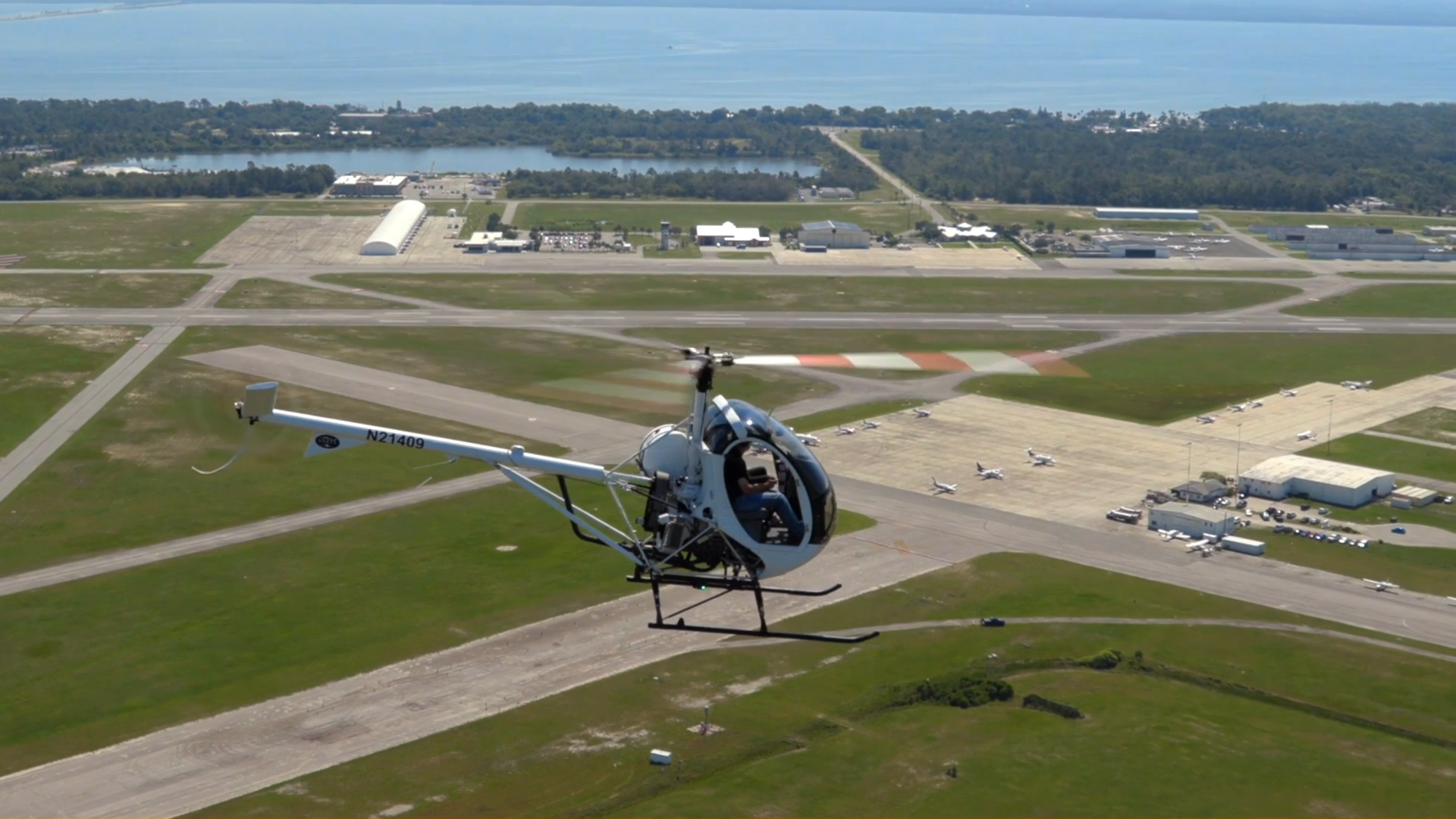
We have seen this with a student who graduated high school early. Starting him right away would have meant a long gap before he was old enough for his commercial certificate. So we planned backward and started him in February, so his dates lined up with his age. That is the kind of planning a clear timeline makes possible. You can read more about how training is organized in our realistic pilot timeline guide.
Any Age: A Discovery Flight Is the First Step
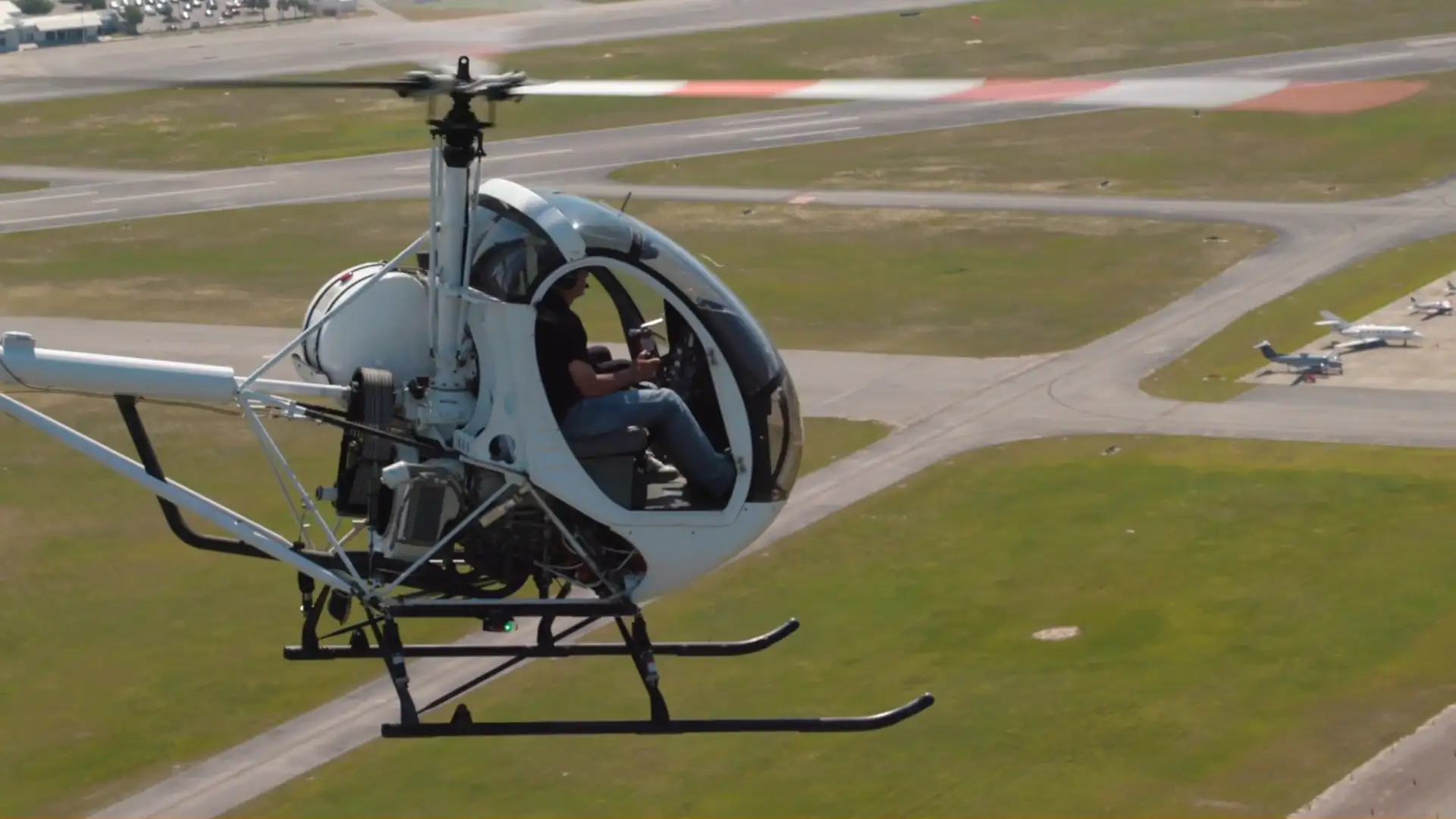
There is no minimum age to fly with a flight instructor. That makes a discovery flight the natural first step for kids and teens. Your child sits up front with one of our instructors, learns how the aircraft works, and gets a turn at the controls.
At US Aviation Training Solutions, we do not set one age limit. We have flown a 10-year-old in the airplane, though very young children are not a good fit. Helicopter flights are case by case, because a young flyer needs to reach the controls comfortably. If your child is on the younger side, the airplane is often the easier start. You can learn what the flight looks like in our guide to your first flight lesson.
A discovery flight answers the big question fast: is this a passing interest, or a real spark? Many parents tell us the drive home says it all. If your child cannot stop talking about the flight, you have your answer. Book a discovery flight when you are ready.
Ages 10 to 15: Building the Spark Before Formal Training
Before 16, your child cannot fly solo, so formal pilot training has a ceiling. That does not mean these years are wasted. This is when curiosity turns into commitment.
Here is what you can do in these years:
- Fly again. A second or third flight with an instructor keeps the interest real and builds comfort in the cockpit.
- Explore the jobs. Pilots fly air ambulances, fight fires, teach, fly tours, and fly for airlines. Our kids and teens page has a tool that shows the path to each job.
- Read and learn. Our aviation guides explain licenses and training in plain English.
- Talk to us. We are happy to share ideas to keep your child learning until they are ready to train.
The goal in these years is simple. Keep the excitement alive, and let your child see that flying is a real path, not just a dream.
Age 16: First Solo and Real Flight Training for Teenagers
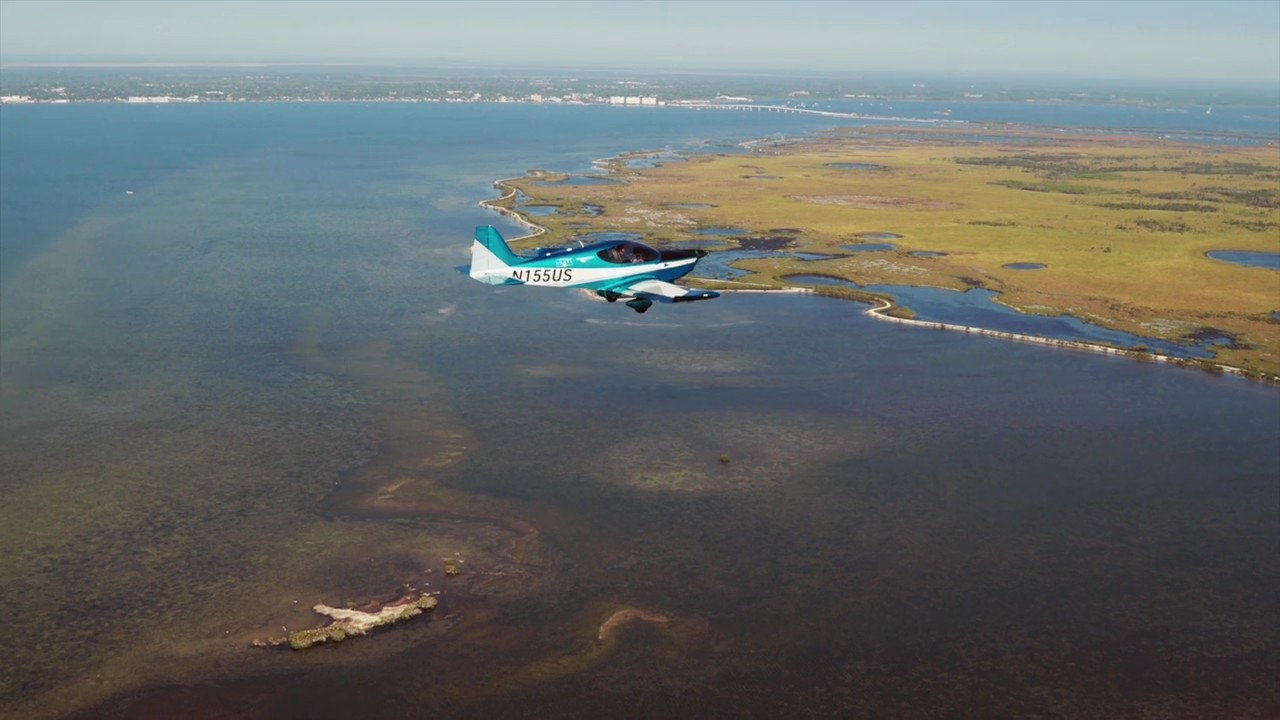
Sixteen is the big one. Under 14 CFR 61.83, a teen can hold a student pilot certificate for an airplane or helicopter at 16. That is the certificate that allows a first solo.
Before your teen flies alone, two more things need to be in place:
- An FAA medical certificate. Student pilots need one before solo flight, under 14 CFR 61.23.
- An instructor endorsement. Their flight instructor signs them off once they are safe to fly alone, under 14 CFR 61.87.
This is where flight training for teenagers gets serious, and where a good instructor matters most. Our instructors set clear goals for each lesson, so your teen always knows what comes next and why. Lessons build toward that first solo, and solo time is required before a private license. Many teens begin lessons before their 16th birthday so they are ready to solo soon after it. Those early lessons are not wasted. They teach the basics of takeoffs, landings and radio calls, so by the time the birthday arrives, your teen is already comfortable in the cockpit and the first solo feels like the next natural step rather than a leap.
Age 17: The Private Pilot License
At 17, your teen can earn a Private Pilot License, under 14 CFR 61.103. This is the first full pilot certificate. It lets them fly friends and family, though not for pay.
Because solo time comes first, the year between 16 and 17 is a busy one for a motivated teen. It is when cross-country flights, night flying and checkride practice come together, so a teen who started early has room to work at a steady pace instead of rushing. We train for both aircraft. See our airplane private pilot license program and our helicopter private pilot license program for what each one includes.
Age 18: Getting Paid to Fly
Every paid flying job needs at least a Commercial Pilot License, and the minimum age is 18 under 14 CFR 61.123. Eighteen is also the minimum age to become a flight instructor, which is how many new pilots build hours. For a teen with a clear goal, 18 is when the career really begins. The licenses earned at 16 and 17 become the foundation for every paid job that follows, from tour flights to air ambulance work.
Here is the full age ladder in one place:
| Age | Step | What it lets your child do |
|---|---|---|
| Any age | Discovery flight | Fly with an instructor and take the controls |
| 16 | Student pilot and first solo | Fly alone with an instructor’s sign-off |
| 17 | Private Pilot License | Fly friends and family, not for pay |
| 18 | Commercial Pilot License | Get paid to fly |
| 18 | Flight Instructor | Teach new pilots and build hours |
| 23 | Airline Transport Pilot | The top pilot certificate |
The Airline Transport Pilot certificate has a minimum age of 23 under 14 CFR 61.153. Our helicopter commercial pilot program covers the rotorcraft side of the career path.
How to Plan the Start Date Around Your Teen’s Age
The ages above are fixed, but the start date is yours to choose. The smartest plans work backward from a birthday. If your teen turns 16 in the spring, starting lessons a little before then means solo can happen soon after the birthday, instead of months later.
The same thinking applies to the commercial step at 18. A teen who moves quickly can reach the end of private and instrument training before turning 18. Without a plan, that teen sits and waits. With one, each step lands right when they are old enough. This is part of what our admissions team helps families work out. If you want to see how fast-paced training is structured, read our guide to accelerated flight training.
Paying for Pilot Training Without Surprises
Cost is the next question most parents ask. Every plan is different, so we do not list prices on our site. Please contact us for pricing and we will build the picture around your child’s goals.
Families also have options to spread the cost. Our financing partners include Stratus Financial, AOPA Finance, and We Florida Financial. You can read about each one on our financing page.
Book Your Child’s Discovery Flight
The best way to start pilot training for kids is to let them feel it for themselves. A discovery flight puts your child in the front seat with an instructor over Florida’s Space Coast, and it tells you both whether this is the path. Book a discovery flight at USATS and we will match the flight to your child’s age and interests.