Helicopter License vs Airplane License in 2026: Which First?
by Ray Deptula
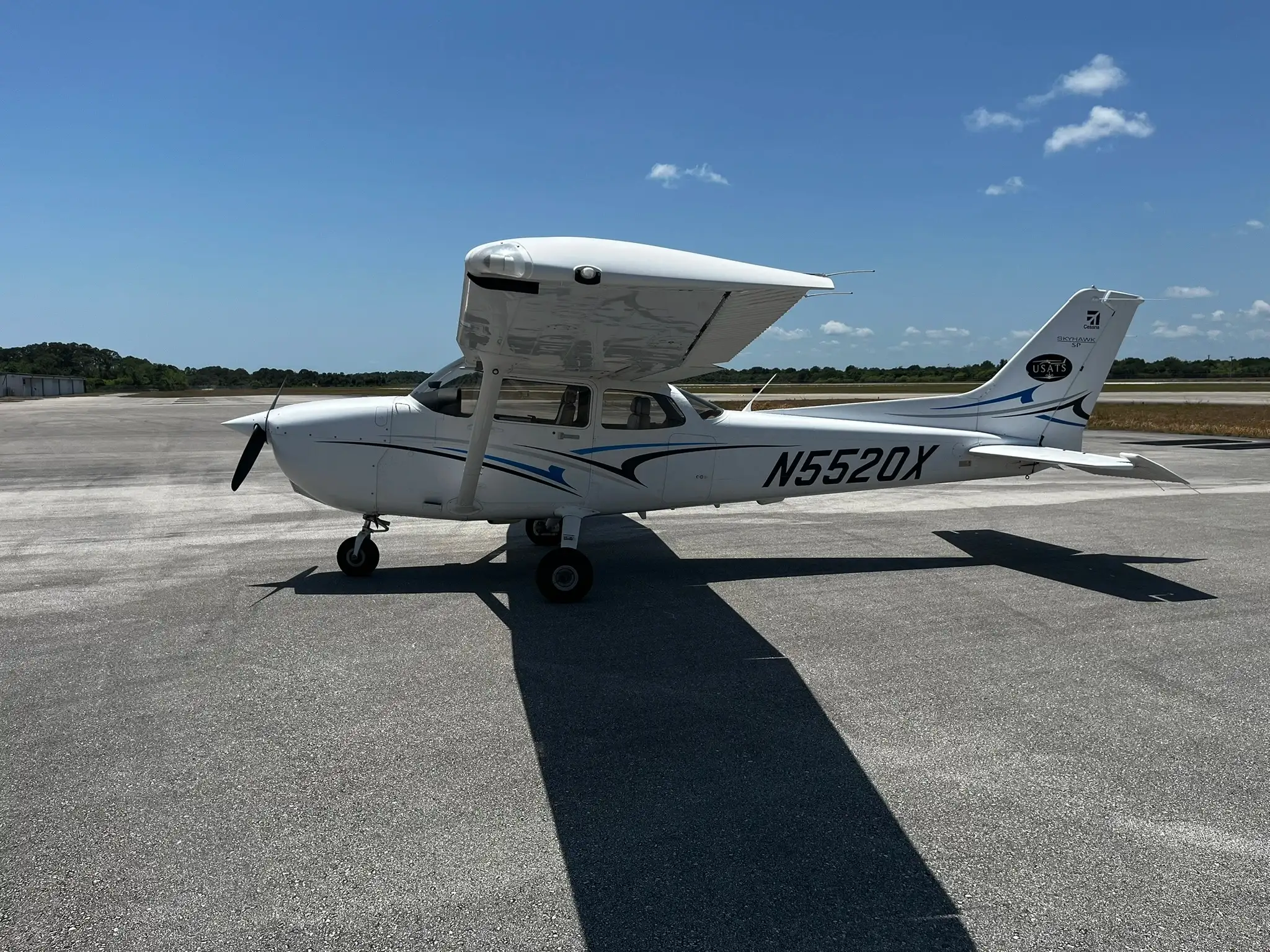
Picture two aircraft on the same ramp at Space Coast Regional Airport (KTIX). On one side sits a white Cessna 172, wings level, a control yoke waiting in the cockpit. On the other sits a Schweizer S300, rotor blades drooping, a cyclic stick standing between the seats. You could start learning in either one next month. So which one should you learn first?
The short answer to helicopter license vs airplane license is that the FAA sets the same starting floor for both private certificates: 40 hours of flight time under Part 61, with the same age and medical rules. What differs is how the aircraft flies, what an hour costs, and which careers each path opens. Choose the aircraft that matches the flying you want to be doing in five years. If you are still unsure, fly both before you spend real money.
At USATS, we train airplane and helicopter pilots at the same airport, so we can lay out both paths side by side with no reason to push you toward either one. Our school began training helicopter pilots in 1987 and added airplane training in 2018. We cover the FAA minimums, how each aircraft feels to fly, our training aircraft, cost drivers, career doors, and how to add the other category later. Our private pilot overview for helicopters and our airplane private pilot program hold the program details.
The FAA minimums are nearly identical, and the details show what each path trains
Both private certificates start from the same FAA floor. Under Part 61, an airplane (single-engine) or helicopter applicant must log at least 40 hours of flight time, including 20 hours with an instructor and 10 hours of solo flight. In a Part 141 approved course, the minimum is 35 hours of flight training and 35 hours of ground training for either category. You can solo at 16 and earn the certificate at 17, and a third-class medical covers private privileges in both.
The differences sit in the details, and they show what each path is built to teach:
| Requirement (FAA minimum) | Private Pilot License (Airplane) | Private Pilot License (Helicopter) |
|---|---|---|
| Total flight time, Part 61 | 40 hours | 40 hours |
| Instruction and solo | 20 and 10 hours | 20 and 10 hours |
| Part 141 approved course | 35 hours of flight training | 35 hours of flight training |
| Night cross-country flight | Over 100 nautical miles | Over 50 nautical miles |
| Long solo cross-country | 150 nm, landings at three points, one leg over 50 nm | 100 nm, landings at three points, one leg over 25 nm |
| Flight by reference to instruments | 3 hours required | No separate requirement |
| Checkride skills unique to the category | Slow flight and stalls, ground reference maneuvers, basic instrument maneuvers | Hovering maneuvers, heliport operations |
| How we train it | Part 141, Cessna 172 | Part 61 or Part 141, S300CBi and R44 |
Treat these numbers as a floor. The hours you actually fly depend on how often you train and how quickly the skills settle in, whichever aircraft you choose. Our Part 141 vs Part 61 guide explains how the two training formats differ.
What flying each one feels like from the pilot’s seat
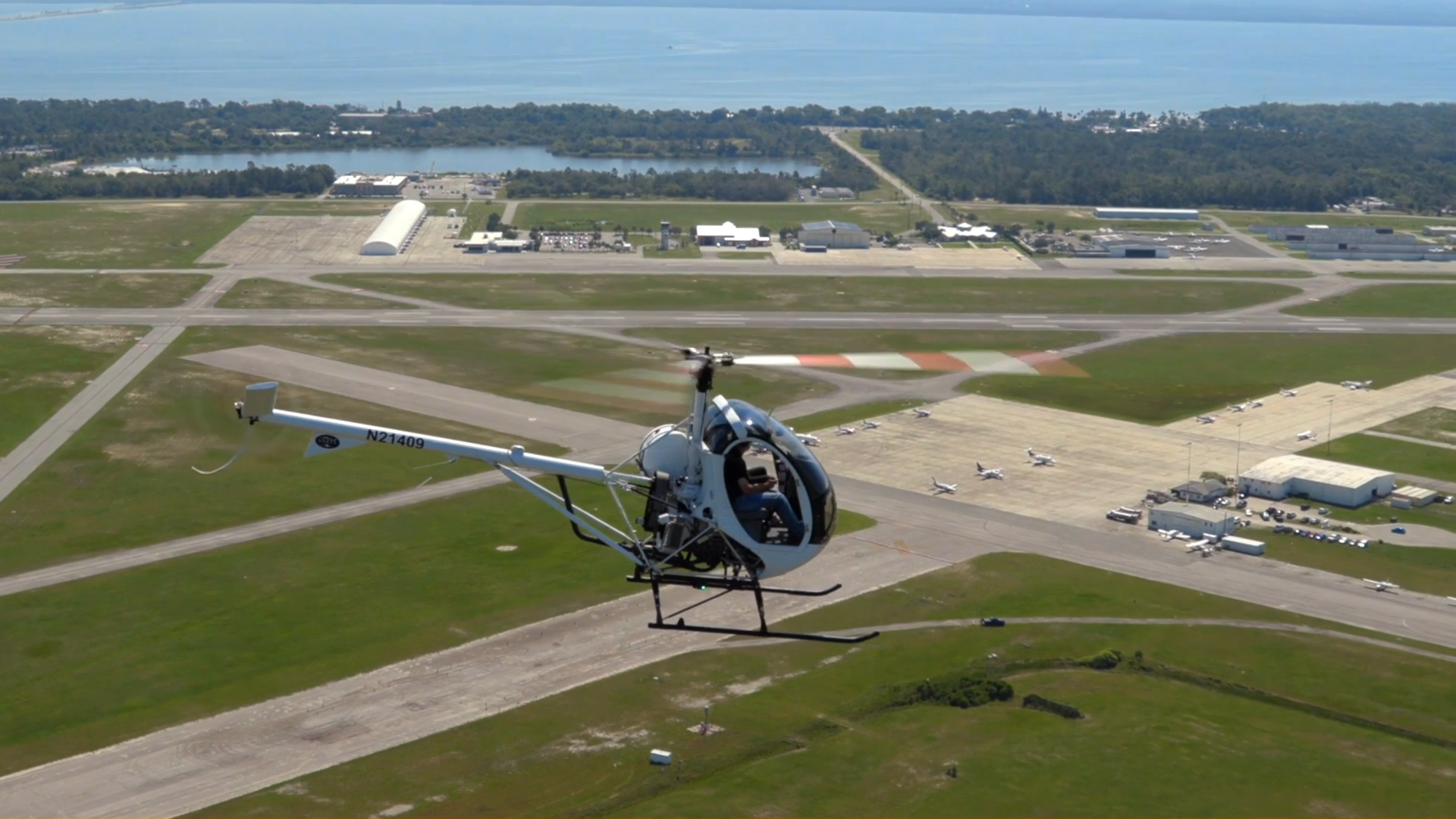
Lift is the first big difference. An airplane’s wings make lift from forward airspeed, so every flight starts with a takeoff roll down a runway. A helicopter’s spinning rotor blades make their own lift, so it can rise straight up, hover, and move in any direction. Our post on how lift works in airplanes and helicopters goes deeper into the physics.
The controls follow from that. In the Cessna 172, you hold a control yoke for pitch and roll, use the rudder pedals to steer and coordinate turns, and set power with the throttle. In the S300 or R44, the cyclic between your knees tilts the rotor to move the helicopter forward, back or sideways. The collective at your left hand raises and lowers it, and the anti-torque pedals point the nose. A change to any one helicopter control calls for a small correction on the other two.
That coupling is why the FAA’s Helicopter Flying Handbook calls hovering the most challenging part of flying a helicopter. Helicopter students spend early lessons holding a hover over one spot until it clicks. They also practice autorotations, the maneuver that lets a helicopter descend to a landing with the engine disengaged from the rotor. Airplane students work on takeoffs and landings, slow flight and stall recovery, and log at least 3 hours of flying by reference to instruments.
Each path has its own hard part. Our honest look at how hard a helicopter license is walks through the helicopter side step by step, and our post on your first airplane lesson shows what the airplane side feels like on day one.
The training aircraft you would fly with us
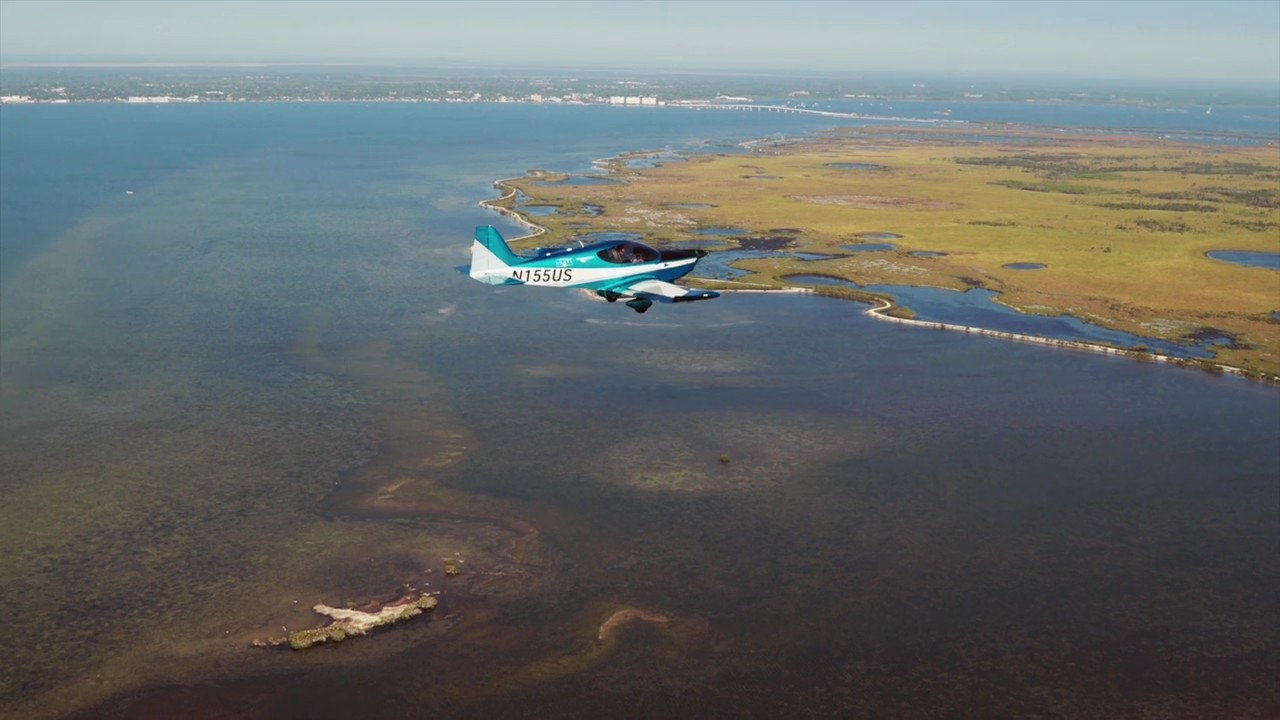
Airplane students at USATS train in the Cessna 172, a widely used airplane for beginner pilots. Ours have a Garmin G1000 glass cockpit, an autopilot and ADS-B in and out, so you learn on the kind of avionics you will meet in many modern aircraft. Our airplane private program follows a structured FAA Part 141 curriculum.
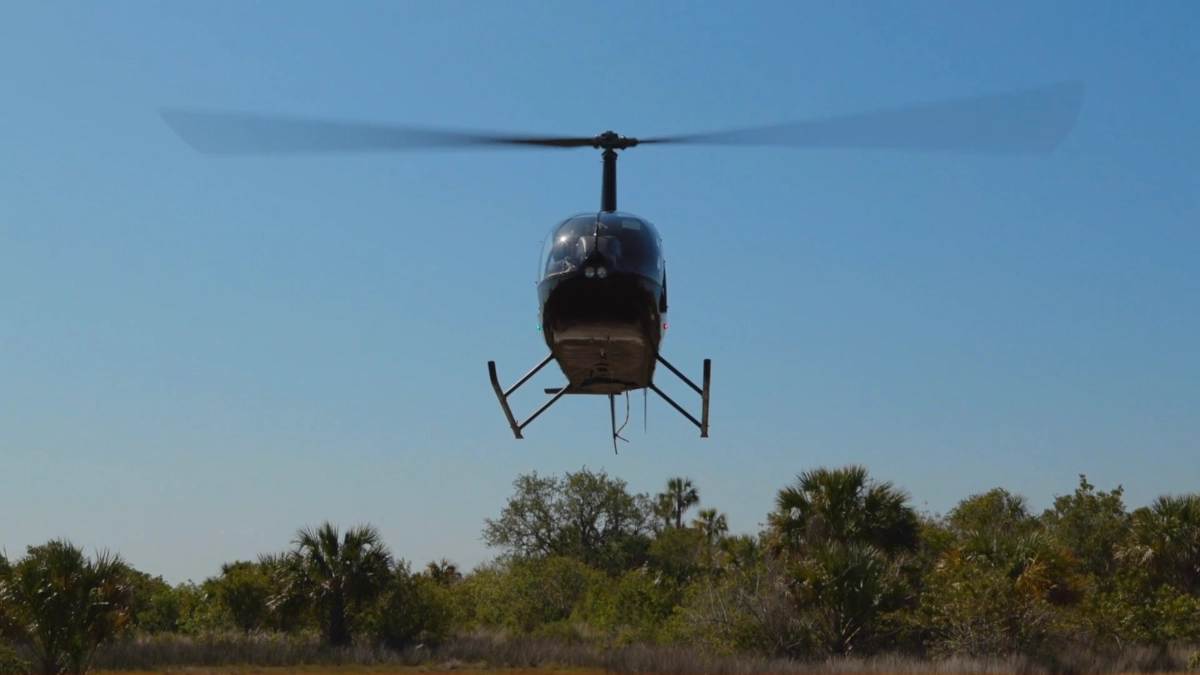
Helicopter students train in two aircraft with two different jobs. The Schweizer S300CBi is fully articulated and costs less per hour to fly, so it is where most hover and autorotation fundamentals happen. The Robinson R44 adds a G500H glass display, more speed and more payload, and both helicopters are IFR equipped. The R44 also carries extra FAA training rules under SFAR 73, including awareness training before you take the controls and 20 hours of R44 instruction before you solo it.
Both fleets fly from the same airport, and our own FAA Part 145 repair station and Robinson Authorized Service Center keep our helicopters maintained in-house. You can see every aircraft we train in on our fleet page.
What drives the cost of each license
We keep prices off this page because a real quote depends on your goal, your schedule and the aircraft you train in. Either private certificate is built from the same pieces: the flight hours you actually need, the aircraft’s hourly cost, instructor time for flight and ground lessons, study materials, the FAA medical exam, and the knowledge test and checkride fees.
The biggest difference between the two is the aircraft’s hourly cost. Helicopter hours generally cost more than airplane hours, so a helicopter private certificate usually costs more than an airplane one, even though the FAA minimums match. Within helicopter training, the S300 keeps the hourly cost lower for fundamentals.
In both aircraft, repeated lessons add cost. Flying often, with few gaps between lessons, is the biggest cost lever you control. We work with Stratus Financial, AOPA Finance and We Florida Financial, and financing options may be available to qualified applicants. You can compare them on our financing page, and our admissions team can quote both paths side by side.
Where each license leads if you want to fly for a living
A private certificate in either category lets you carry passengers and share costs, but it does not let you fly for pay. Careers start with the commercial certificate, and this is where the two paths split:
| Career step (FAA minimum) | Airplane | Helicopter |
|---|---|---|
| Commercial certificate, Part 61 | 250 hours | 150 hours |
| ATP certificate | 1,500 hours (some reduced-hour exceptions exist) | 1,200 hours |
| A common way to build hours | Flight instruction | Flight instruction |
| Typical paid work | Instruction, charter, cargo, the airline track | Instruction, tours, charter, EMS, utility and sling load, offshore |
| Commercial program with us | Commercial Pilot License (Airplane) | Commercial Pilot Certificate (Helicopter) |
The airplane path is the route toward airline flying, which usually adds an instrument rating, a multi-engine rating and the ATP along the way. The helicopter path leads to jobs built on vertical flight, such as tours, air ambulance, sling load work and offshore flying. To fly EMS as pilot in command, for example, the FAA requires a commercial certificate, Part 135 experience and a helicopter instrument rating.
A certificate opens the door, but operators and airlines hire to their own standards, so treat the FAA numbers as the starting line of a career. For students starting from zero, we offer a Professional Pilot Program (Airplane) and a Professional Pilot Program (Helicopter). Our guide to which helicopter license you need for your goal maps helicopter jobs to certificates.
Start with one and add the other later
Whichever you pick first, you can add the other later. Once you hold a private certificate in one category, adding the other category at the same certificate level does not require another FAA knowledge test. You still train in the new aircraft, earn your instructor’s endorsement, and pass a checkride.
For airplane pilots, we offer Part 141 helicopter add-ons at the private, instrument and commercial levels. The Private Pilot Helicopter Add-on focuses on what is new in a helicopter, with a package of 22 hours of dual instruction and 24 hours of ground training, so it moves much quicker than a first license. If you already fly airplanes, our post on helicopter add-ons for fixed-wing pilots covers why pilots add the rating.
If you start in helicopters and later want airplane privileges, the same no-second-written-test rule works in that direction too.
How to decide whether to learn a helicopter or airplane first
If you are asking yourself, should I learn to fly a helicopter or airplane, start with the flying you want to do, then check it against your budget:
- Pick helicopter first if hovering, off-airport landings or a helicopter job such as tours, EMS or utility flying is what pulls you in, and you can plan for higher hourly costs.
- Pick airplane first if you want the airline track or the lower hourly cost of the two, and you are happy flying from runways.
- Fly both if you still cannot tell. One discovery flight in each aircraft often settles the question.
Whichever you choose, the private certificate is the first rung. Our private vs commercial helicopter license comparison shows what the next rung adds once you are flying.
FAQ
Is a helicopter license harder to get than an airplane license?
The FAA sets the same 40-hour Part 61 minimum for both private certificates, but they test different skills: hovering and autorotations in a helicopter, slow flight, stalls and instrument-reference flying in an airplane. Read our look at helicopter license difficulty for the helicopter side.
Is an airplane license cheaper than a helicopter license?
Usually, yes. Airplane hours generally cost less, so the airplane private certificate usually costs less in total. For current numbers on both, request a quote from admissions.
Can I use my airplane certificate toward a helicopter license?
Yes. Your airplane private certificate saves you a second knowledge test, and our Part 141 helicopter add-ons are built for airplane certificate holders, so your training focuses on helicopter skills.
Do I need a medical certificate for either license?
You do not need one to take lessons, but you need it before you solo. A third-class medical covers private privileges in both. For questions about your own health history, talk with an Aviation Medical Examiner (AME), and read our first FAA medical guide.
Which license is better for a pilot career?
Neither is better across the board. The airplane path leads toward airline flying, and the helicopter path leads toward tours, EMS, utility and offshore work. Our helicopter goal guide maps those jobs to certificates.
What happens on a helicopter discovery flight?
You sit at the dual controls with an instructor, lift off from KTIX and fly out over the Indian River. Our post on what to expect on a first helicopter lesson walks through it.
Fly both before you choose
A simple way to settle helicopter vs airplane is to feel each one respond to your hands. Book a discovery flight and choose Airplane, Helicopter or Both on the form. You fly with one of our instructors out over the Space Coast, and afterward we sit down with you to compare how each one felt and map what your path would take. Book your Discovery Flight and let the cockpit help you decide.