What to Expect During Your First Helicopter Flight Lesson
by Ray Deptula
When you search for helicopter lessons near me, it is easy to get caught up in licensing regulations, training costs, and career hour minimums.
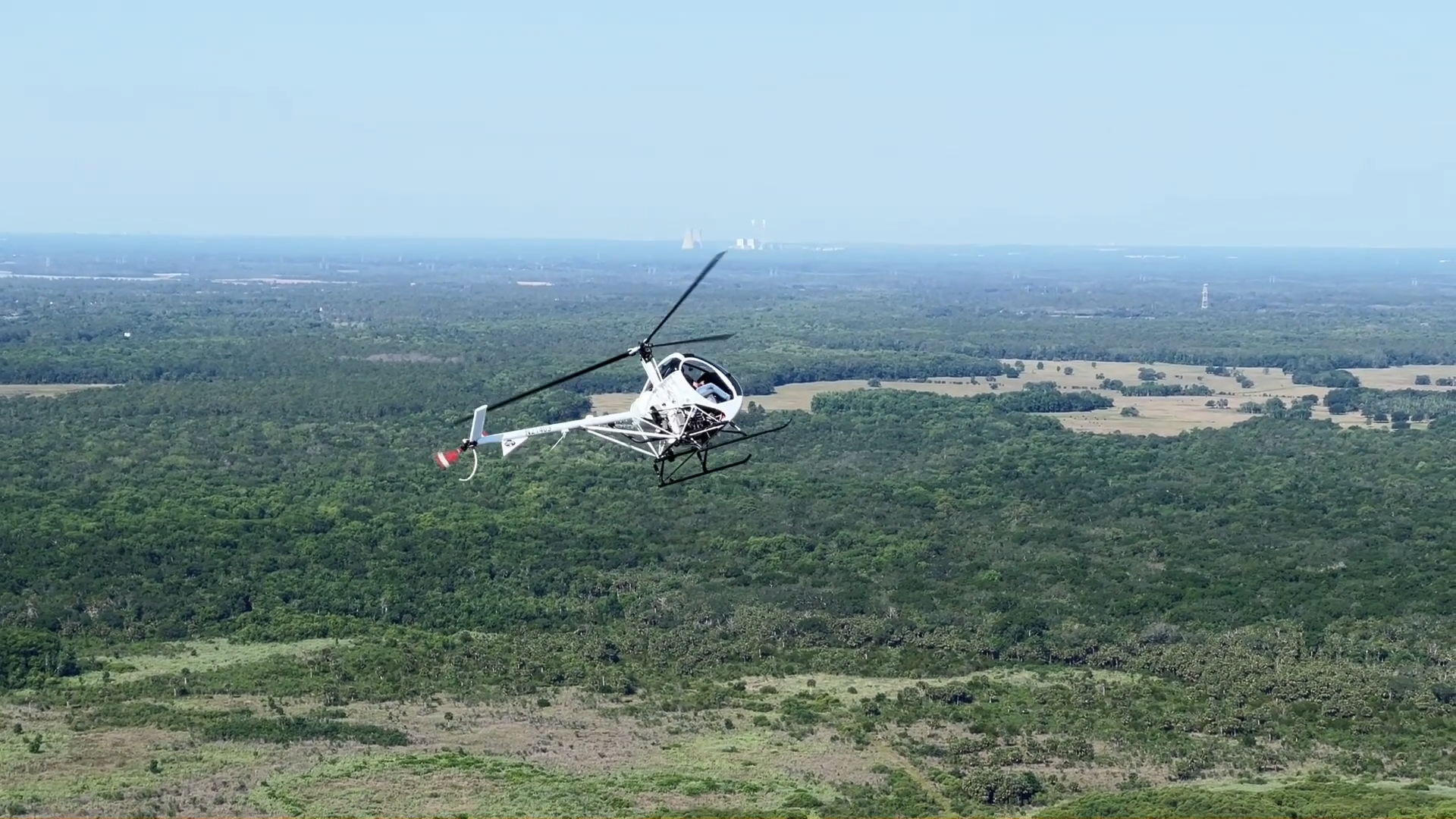
Taking your first helicopter flight lesson is not a passive sightseeing ride where you simply stare out the window while a pilot works the levers. At USATS, your introductory lesson places you directly in the flight seat with dual controls, an experienced Certified Flight Instructor (CFI) beside you, and an FAA logbook ready to record your initial flight time. Whether your goal is personal flying or the first milestone toward an airline transport rotorcraft career, understanding the flow of your first day replaces nervousness with sharp anticipation.
Step 1: Preflight Briefing and Rotorcraft Walkaround
Your training begins on the ground inside the flight operations room, where your instructor sits down with you to review basic aerodynamics and weather conditions across the Space Coast, as well as the flight route departing Space Coast Regional Airport (KTIX) in Titusville.
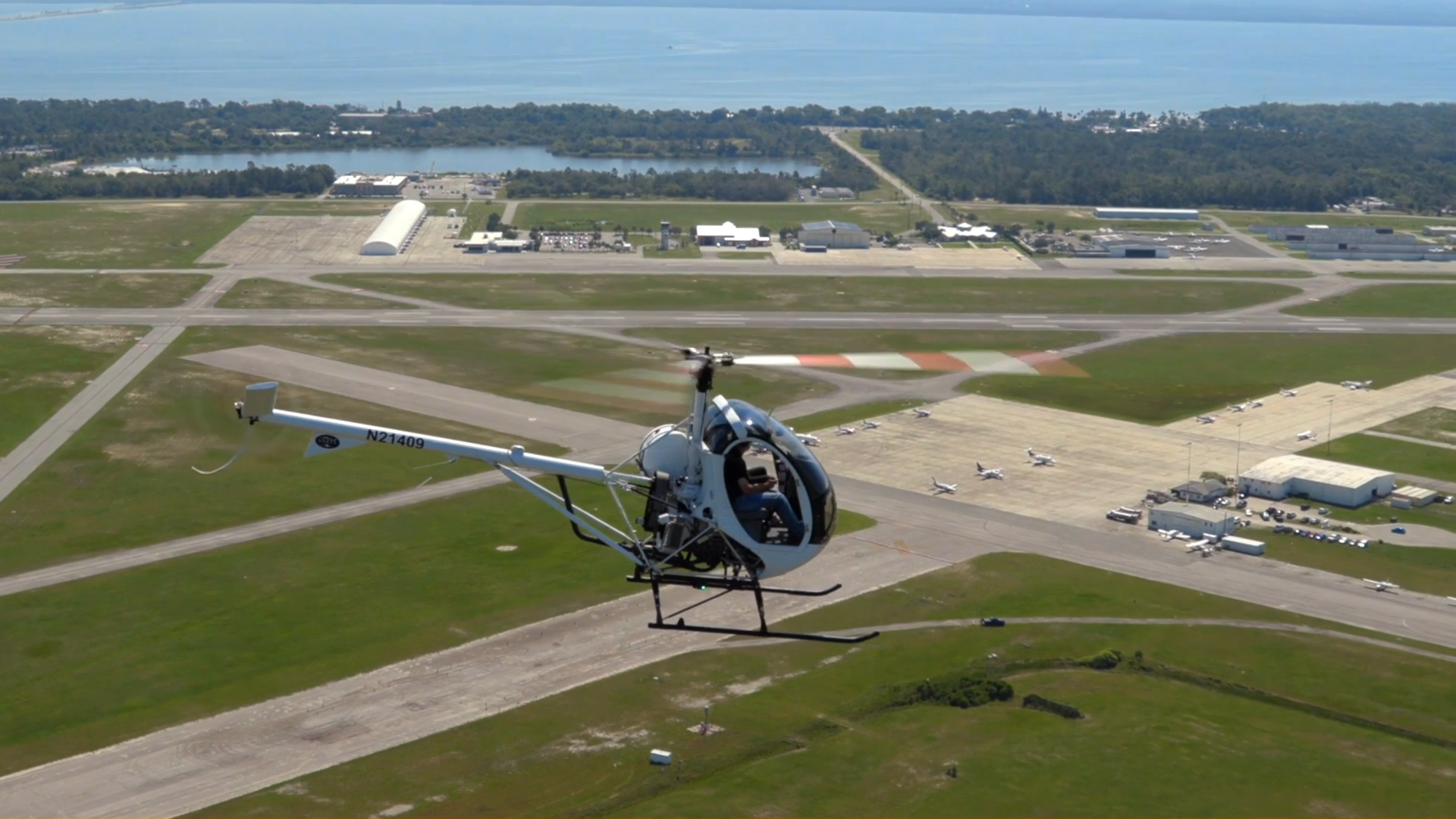
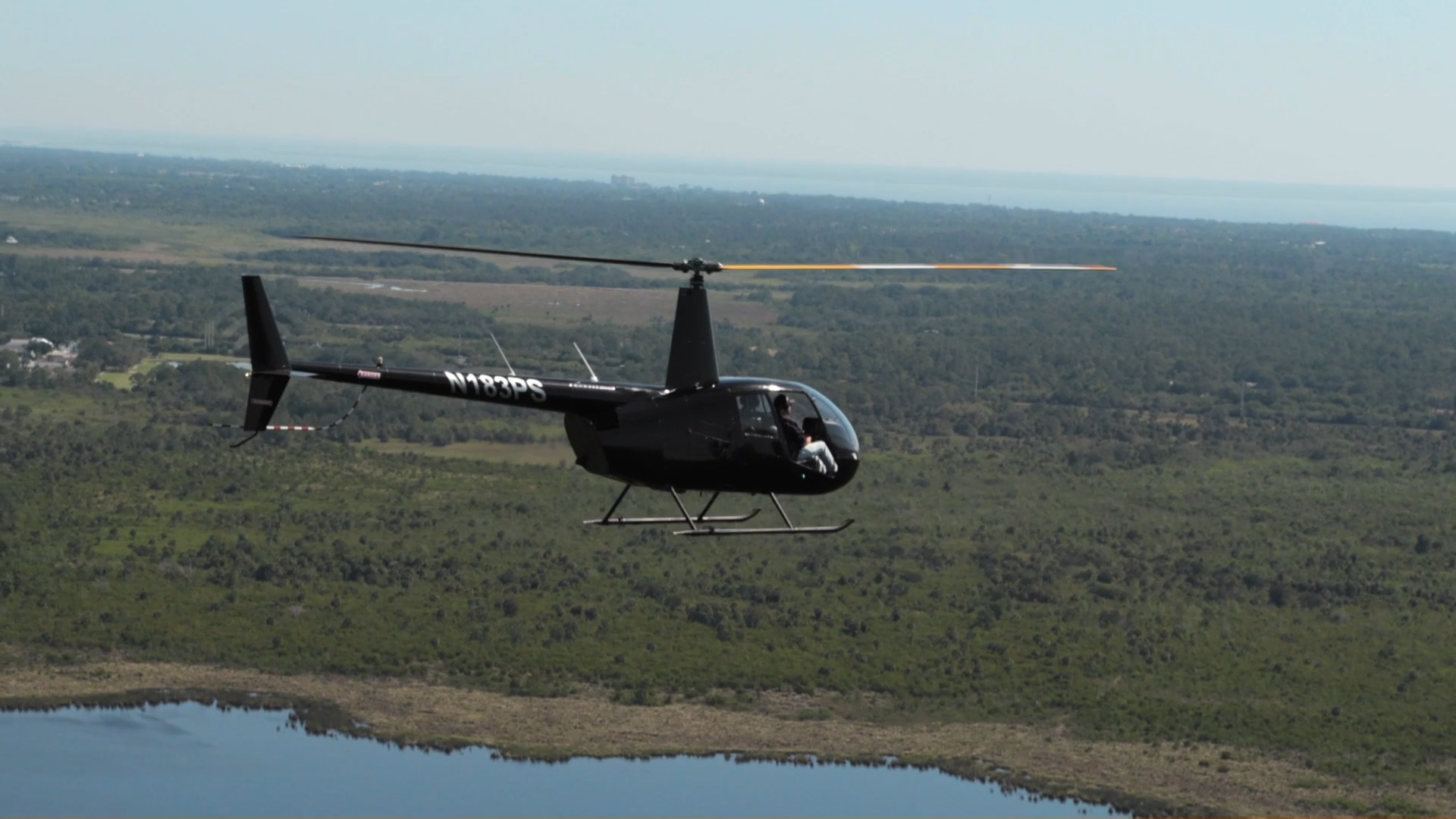
From there, you head out to the ramp to complete a thorough preflight walkaround inspection of your training aircraft, examining either our three-bladed Schweizer S300 or our Robinson R44. Together, you will inspect:
- Main rotor system: Checking blade surfaces for nicks, inspecting pitch link bearings, and verifying swashplate security.
- Tail rotor and drive train: Examining tail rotor blades, gearbox oil levels, and drive shaft couplings that counter torque.
- Engine and fuel sumps: Sampling fuel for water and sediment, checking oil levels, and verifying engine cowling latches.
- Cockpit integrity: Ensuring seatbelts, dual cyclic controls, and emergency shutoff valves operate freely and smoothly.
This hands-on inspection teaches you the core safety mindset of every professional pilot, proving that flight readiness is established long before the skids ever leave the pavement.
Step 2: Settling into the Cockpit and Learning the Three Core Controls
Once strapped into the right seat with your aviation headset connected, your instructor introduces the three primary rotorcraft flight controls that make helicopters completely unique from fixed-wing airplanes. You will keep your hands and feet resting lightly on these dual controls throughout the flight:
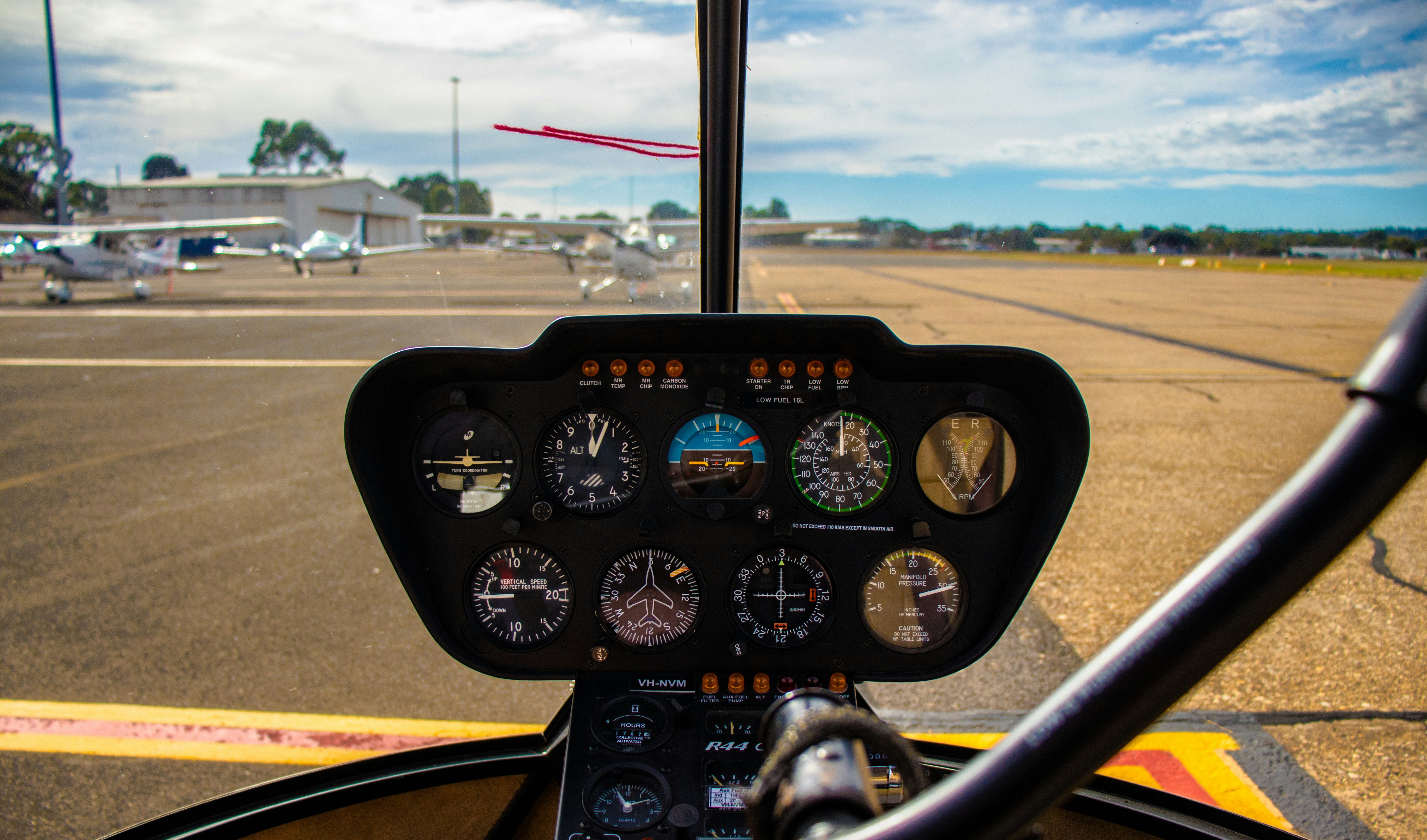
- The Cyclic (between your knees): Controls the tilt of the main rotor disc. Pushing the cyclic forward tilts the rotor disc forward, causing the helicopter to fly forward. Moving it right or left banks the aircraft in that direction.
- The Collective (to your left): Raises or lowers the pitch angle of all main rotor blades simultaneously. Pulling up on the collective increases blade pitch and power, lifting the helicopter vertically; lowering it reduces pitch, allowing you to descend.
- The Anti-Torque Pedals (at your feet): Control the pitch of the tail rotor blades to manage yaw (pointing the nose left or right) and counteract the immense rotational torque generated by the main rotor.
In an airplane, controls operate somewhat independently, but in a helicopter, changing one control requires an immediate micro-adjustment on the other two. Developing that natural coordination is the craft of helicopter pilot training, turning complex mechanical inputs into intuitive physical reflexes.
Step 3: Engine Start, Tower Clearance, and Hover Taxi
With the pre-start checklist verified, your instructor engages the starter, allowing the engine to catch, the rotor transmission to engage, and the blades to accelerate into a steady operational hum. You will hear air traffic control communications crackle over your headset as your instructor calls Space Coast Tower for taxi and departure clearance.
Then comes the moment unique to rotorcraft: coming to an initial hover. Your instructor brings the engine to operating RPM, gently raises the collective, adds a touch of left pedal to cancel torque, and stabilizes the cyclic. Within seconds, the skids break contact with the tarmac, and you are floating motionless three feet off the ground.
You will hover taxi across the apron toward the designated takeoff area, experiencing firsthand how responsive rotor wash and ground effect feel before transitioning into forward climb.
Step 4: Taking the Flight Controls in the Air
Once cleared for departure, the helicopter accelerates forward and climbs away over the Indian River toward the open training airspace of Brevard County. As you level off at cruise altitude, typically between 1,000 and 1,500 feet, your instructor begins turning the flight controls over to you one by one.
The protocol is crisp and standardized across FAA aviation:
Instructor: “You have the flight controls.”
Student: “I have the flight controls.”
You will begin by managing the cyclic alone, feeling how a fractional millimeter of control pressure rolls the helicopter into a gentle turn or adjusts your airspeed. Next, your instructor will have you coordinate the collective to maintain altitude while turning, followed by pedal corrections to keep the trim centered.
Within 20 minutes of flight time, you are actively flying the helicopter through gentle turns, climbs, descents, and straight-and-level navigation. The visibility from a bubble canopy offers an unmatched perspective of the Florida coastline, rocket launch pads, and open waterways below.
Step 5: The Ultimate Challenge: Learning to Hover
Toward the end of the flight, you return to the airport pattern to practice the pinnacle skill of rotorcraft training, which is mastering the stationary hover.
Hovering feels like balancing a marble on top of an overturned bowl. At first, new students tend to overcontrol, making corrections that are slightly too large or a split second too late. Your instructor coaches you patiently, having you manage just the pedals while they hold the collective and cyclic, then handing you the cyclic while managing altitude.
When you finally catch the rhythm of tiny anticipatory fingertip adjustments and feel the helicopter hold steady over a single painted taxiway line, the breakthrough is electric. That single sensation is what turns curious aviation fans into committed rotorcraft students.
Step 6: Debriefing, Program Costs, and Future Career Pathways
After landing, shutting down the engine, and completing the post-flight checklist, you will return to the flight operations room for a comprehensive debriefing. Working alongside a seasoned helicopter training pilot, you will evaluate your performance and log your first official dual flight time in an FAA logbook.
During the debriefing, our flight advisors walk through the practical questions every prospective aviator asks, starting with how much does helicopter pilot training cost and how much is helicopter pilot training for full certification. We outline transparent budgets detailing how much for helicopter pilot training is required across Private, Instrument, and Commercial ratings, ensuring you have realistic numbers before committing.
Whether your long-term goal is recreational weekend flying or professional pilot helicopter training leading to emergency medical services (EMS) or utility charter, your trial flight forms the bedrock for all future training helicopter pilot milestones. Structured, immersive training for helicopter pilot careers begins with this exact flight experience.
If you have additional questions regarding medical exams, scheduling, or FAA syllabus requirements, explore our comprehensive helicopter training FAQ, or compare curriculum structures in our breakdown of Part 141 vs. Part 61 helicopter training programs.
Ready to Experience Your First Helicopter Lesson?
Reading about rotorcraft flight is exciting, but nothing replaces the real-world feeling of lifting off into a hover and taking the controls yourself. Whether you are living in Orlando, Melbourne, or along the Space Coast, USATS is ready to welcome you into our hangars.
Book your first helicopter flight lesson today to tour our training fleet and schedule your introductory flight over Florida.