Helicopter Flight Training Programs Compared: FAA Part 141 vs. Part 61
by Ray Deptula
When researching professional helicopter pilot training programs, you will quickly encounter an essential regulatory choice that shapes your training experience: should you train under FAA Part 141 or FAA Part 61?
Both pathways lead to the exact same FAA pilot certificates, yet each pathway features distinct training methodologies, scheduling dynamics, and hour requirements. Choosing the right training framework determines how fast you progress, how efficiently you manage your flight budget, and how smoothly you transition into commercial rotorcraft employment. At USATS, we guide candidates in pilot training helicopter programs across both tracks, giving students the clarity needed to match their aviation goals with the ideal curriculum.
What Makes FAA Part 141 Helicopter Training Different?
An FAA Part 141 program is a highly structured, FAA-audited curriculum where every flight lesson, ground briefing, and oral examination follows a strictly sequenced syllabus approved directly by the Federal Aviation Administration.
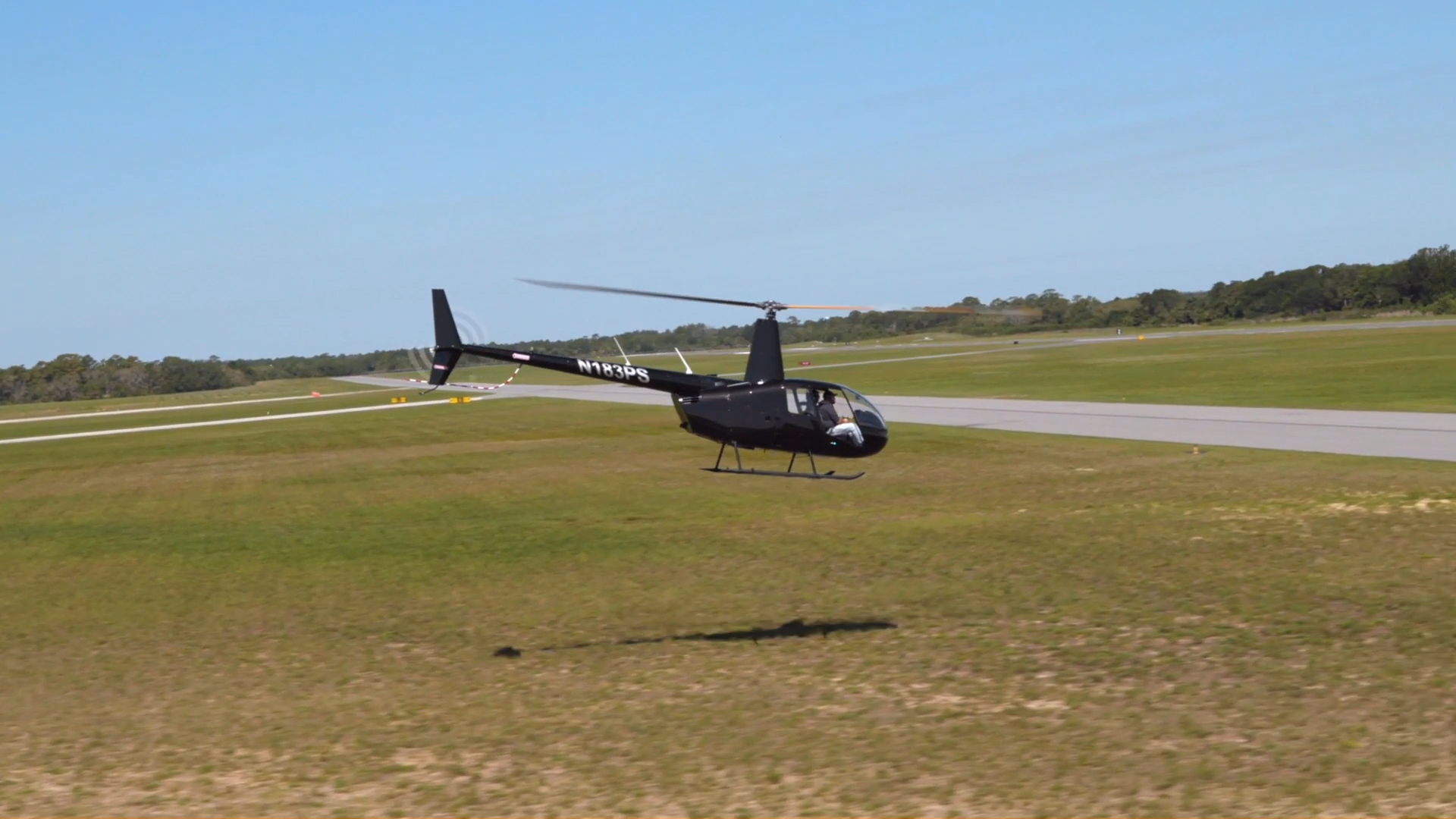
Under Part 141, the flight school itself must meet stringent facility and operational standards, including continuous instructor standardization, audited training records, dedicated chief flight instructors, and milestone progress evaluations called stage checks. Because the training follows an approved syllabus, the FAA permits students to complete certificates with lower minimum flight hour requirements, such as 35 hours for a Private Pilot License and 115 hours for a Commercial Pilot Certificate.
For students pursuing full-time, career-focused helicopter pilot training, Part 141 provides the discipline, pacing, and oversight preferred by major commercial operators, utility companies, and emergency medical services (EMS) flight departments. This structured environment ensures every training helicopter pilot candidate builds standardized cockpit procedures from day one.
How FAA Part 61 Training Works for Rotorcraft Pilots
In contrast, FAA Part 61 training represents a flexible, student-centered pathway where instructors have greater latitude to customize lesson sequences, schedule pacing, and syllabus order based on your availability.
Under Part 61, you are still held to the identical FAA certification standards during your practical checkride, but you are not bound to an inflexible stage-check timeline. If you are balancing pilot helicopter training with a demanding career, family obligations, or non-traditional work hours, Part 61 allows you to train at your own pace without risking syllabus expiration.
The trade-off is flight hour minimums: Part 61 requires a minimum of 40 flight hours for private certification and 150 hours for commercial certification. However, because most rotorcraft students nationally require between 50 and 60 hours to achieve genuine hovering and maneuvering mastery regardless of the regulation, the practical difference in training time is often smaller than it appears on paper.
Understanding the Investment: How Much Does Helicopter Pilot Training Cost?
A fundamental question every prospective student asks when comparing programs is how much does helicopter pilot training cost across different regulatory tracks. Understanding how much is helicopter pilot training requires evaluating dual instruction rates, solo flight hours, ground school fees, and fuel expenses.
When calculating how much for helicopter pilot training under Part 141, the reduced minimum hour requirements often result in lower total costs for disciplined, full-time students who fly several times per week. Part 61 students may experience slightly higher total hour requirements, but gain the financial advantage of pay-as-you-go scheduling that spreads the investment across manageable monthly increments.
At USATS, we maintain transparent flight training fees across our entire fleet. Our admissions team provides detailed written outlines so you can evaluate the exact investment needed for your Private, Instrument, and Commercial ratings.
Comparing the Core Numbers: Part 141 vs. Part 61
To help evaluate your investment, here is how the regulatory hour requirements compare across both rotorcraft pathways:
| Training Milestone | FAA Part 141 Minimum Hours | FAA Part 61 Minimum Hours | Practical Average to Proficiency |
|---|---|---|---|
| Private Pilot License (PPL) | 35 hours | 40 hours | 50–60 hours |
| Instrument Rating (IR) | 35 hours | 40 hours | 35–45 hours |
| Commercial Pilot License (CPL) | 115 hours | 150 hours | 150–190 hours |
| Curriculum Structure | Strict FAA-audited syllabus | Flexible instructor-directed pace | Structured milestones save time |
| Stage Evaluations | Mandatory formal stage checks | Informal flight reviews | Formal checks reduce checkride anxiety |
Understanding these figures helps you plan realistic finances and study commitments before your first takeoff. For deeper answers regarding syllabus pacing and FAA medical clearance, read our dedicated helicopter pilot training FAQ.
Fleet Versatility: Training in the Schweizer S300 and Robinson R44
A major consideration when comparing rotorcraft programs is the aircraft fleet you will actually fly. Quality helicopter academies operate multi-model fleets to match specific training phases with the ideal airframe.
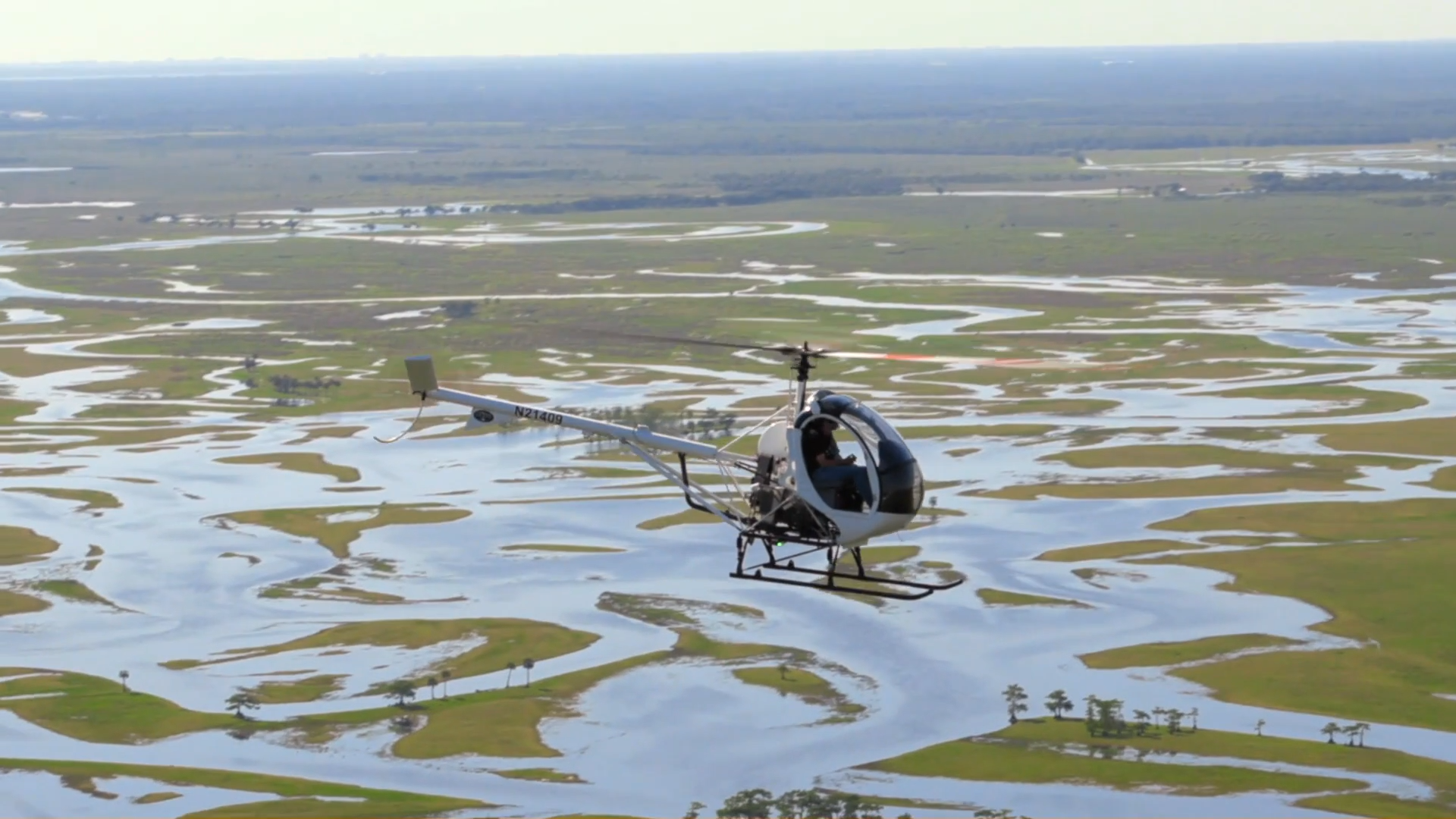
At USATS, we train rotorcraft pilots across two proven industry standards:
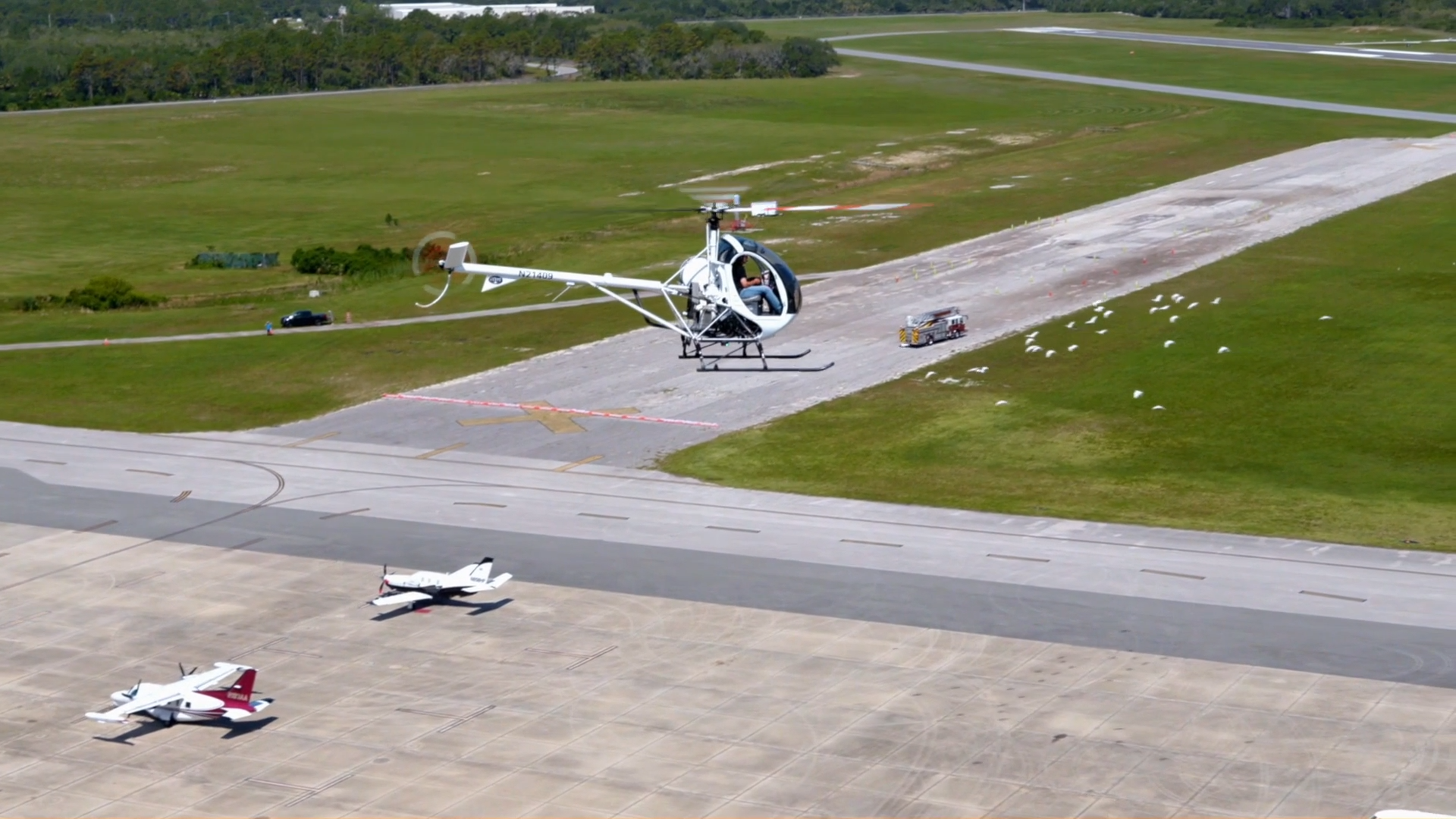
- The Schweizer S300: Featuring a fully articulated, three-bladed rotor system, the S300 is globally recognized as one of the most stable and forgiving primary trainers ever designed. Its responsive cyclic feedback and wide landing gear make it exceptional for learning delicate hovering control, confined-area landings, and autorotations.
- The Robinson R44: As the world’s most popular commercial light helicopter, the R44 introduces pilots to hydraulic flight controls, higher cruise speeds, multi-passenger capacity, and glass-cockpit avionics. Logging hours in the R44 prepares you directly for commercial touring, charter, and utility missions.
Training across both aircraft ensures you build well-rounded stick-and-rudder competence alongside modern cockpit management.
Choosing the Right Program for Your Career Ambitions
Your final decision should align directly with your timeline, financing, and career aspirations:
- Choose Part 141 if: You are training full-time, seeking fast-track career entry, using institutional flight training loans, or planning to progress continuously from Private through Commercial Pilot License and flight instructor ratings.
- Choose Part 61 if: You need a flexible schedule that accommodates business travel or family commitments, already hold a fixed-wing certificate and want a rotorcraft add-on rating, or prefer customized one-on-one pacing with your instructor.
Regardless of which track you select, operating from Space Coast Regional Airport (KTIX) gives you uncongested control tower operations and year-round Florida sunshine, maximizing productive air time during every scheduled lesson.
Take Your Next Step in Rotorcraft Training
If you are unsure which program fits your personal situation, the best starting point is sitting down with our admissions team for a flight planning consultation and taking an introductory lesson. You can learn what happens during your trial flight by reading our first helicopter flight lesson guide.
Apply to enroll in helicopter flight training today to tour our hangars, meet our instructors, and begin your journey toward earning your FAA rotorcraft certificate with USATS.